
A Holistic Guide to Mineral Physiology, Modern Deficiency, and Natural Restoration
Quick Takeaway
- Minerals are part of the body’s structure, chemistry, electrical signalling, and repair.
- Some are clearly established as essential in human nutrition; others are better treated as emerging or ultra-trace elements rather than fully settled essentials.
- Modern mineral problems are not caused by one thing alone. Food quality, ultra-processed diets, gut dysfunction, medication use, restrictive eating, poor soil health, and weakened biodiversity all play a part.
- In the UK, deficiency risk is still relevant enough that flour fortification rules exist partly to help protect against nutrient shortfalls such as calcium and iron.
- From a Homeopathy point of view, remedies may support the person’s pattern, vitality, assimilation, and recovery, but they do not replace genuine nutritional correction where a true mineral deficiency exists.
Standfirst
Minerals are not side issues in human health. They help govern bones, blood, nerves, muscles, hormones, digestion, detoxification, thyroid function, fluid balance, and cellular energy. When mineral status is poor, the body often becomes less resilient long before a diagnosis appears. From a naturopathic and Homeopathy perspective, this matters deeply, because it affects the terrain on which all healing depends.
Introduction
Minerals are easy to reduce to supplement bottles and blood tests, but that misses the deeper picture. They are part of the body’s living architecture. They help blood carry oxygen, muscles contract, nerves fire, enzymes work, glands regulate, and tissues repair. They also influence how stable we feel under stress, how well we recover after illness, and how well the body is able to make use of nourishment.
From a holistic perspective, mineral deficiency is rarely just a matter of “not eating enough minerals.” It is usually a question of intake, absorption, losses, demand, and terrain. A person may eat reasonably well and still struggle if stomach acid is low, the bowel is inflamed, the diet is narrow, the food system is poor, or the body has been under long-term stress, chronic illness, or medication pressure.
The Minerals and Trace Elements in Practice
Calcium
Calcium is the most abundant mineral in the human body. Around 99% is stored in bones and teeth, where it gives the skeleton hardness and serves as a reserve bank; the remaining fraction circulates in blood and soft tissues, where ionised calcium is essential for muscle contraction, heartbeat, nerve signalling, neurotransmitter release, hormone secretion, vascular tone, and blood clotting. Because these functions are vital, the body keeps blood calcium tightly regulated through the coordinated work of the intestine, kidneys, bones, parathyroid hormone, and vitamin D, drawing on skeletal stores when intake or absorption is too low.
From a holistic anatomy-and-physiology view, calcium is not only a structural mineral but also a signalling mineral. It supports bone remodelling, tooth mineralisation, cellular enzyme activity, and the fine balance between excitation and relaxation in nerves and muscles, while needs rise during growth, pregnancy, lactation, and tissue repair. Intestinal uptake happens through both active transport and passive diffusion, depends heavily on vitamin D status, adapts upward when demand is high, and tends to decline with age; over time, poor intake or poor utilisation is linked with rickets, osteomalacia, and osteoporosis-related fragility.
Where we can get calcium naturally
In nature, the richest practical calcium sources are dairy foods; fish eaten with their soft bones such as sardines and canned salmon; calcium-set tofu; fortified plant milks and juices; and low-oxalate greens such as kale, bok choy, broccoli, collards, and cabbage. Calcium-rich mineral waters are also a meaningful natural source, and human studies show that calcium from some mineral waters can be absorbed as well as, and sometimes slightly better than, calcium from milk. Spinach and rhubarb contain calcium on paper but are weaker practical sources because oxalate binds much of it; sunlight does not supply calcium itself, but it helps the skin make vitamin D, which then improves calcium absorption and calcium-phosphate regulation.
Homeopathy & Calcium
From a traditional homeopathic perspective, calcium is approached less as a bulk nutrient and more as a constitutional theme involving growth, dentition, bone repair, connective-tissue tone, and the body’s ability to organise and rebuild tissue. In that tradition, Calcarea carbonica is often associated with sluggish development and low stamina, Calcarea phosphorica with growth, dentition, fracture recovery, and rebuilding, and Calcarea fluorica with connective tissue and tooth enamel support; these are selected according to the person’s overall pattern rather than used as a generic one-size-fits-all approach. The calcium remedies most often considered here are Calc. carb., Calc. phos., and Calc. fluor.
Relationship with other nutrients
Calcium works best in partnership. Vitamin D is the main enhancer of intestinal calcium absorption, magnesium is needed for healthy parathyroid hormone activity and vitamin D handling, and vitamin K helps activate osteocalcin and matrix Gla protein, which help direct calcium into bone and regulate calcification in soft tissues; phosphorus is tightly co-regulated with calcium in bone and blood. In general, calcium combines most naturally with vitamin D, magnesium, and vitamin K. By contrast, calcium can reduce iron absorption when taken at the same time as iron supplements; very high calcium intakes may also reduce zinc absorption in some settings; oxalate- and phytate-rich meals reduce calcium uptake from that meal; high sodium intake increases urinary calcium loss; calcium carbonate is absorbed best with food, whereas calcium citrate is absorbed well with or without food; and splitting supplemental calcium into doses of about 500 mg or less improves absorption efficiency.
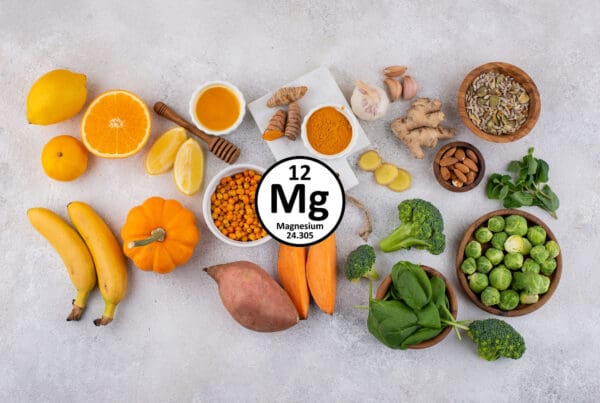
Magnesium
Magnesium is one of the body’s core regulatory minerals, with about 25 g in the adult body, roughly half to 60% stored in bone and most of the rest inside soft tissues, while less than 1% circulates in blood. It acts as a cofactor in more than 300 enzyme systems and is fundamental to ATP production, protein synthesis, DNA and RNA synthesis, glutathione production, blood sugar regulation, blood pressure regulation, and the transport of calcium and potassium across cell membranes, which is why it is so central to nerve conduction, muscular contraction and relaxation, and steady heart rhythm.
From a holistic anatomy-and-physiology perspective, magnesium is one of the body’s great “settling and organising” minerals: it helps the nervous system fire properly without excess excitability, supports muscle ease rather than cramping, participates in bone formation, and works closely with parathyroid hormone and active vitamin D to maintain mineral balance. Magnesium homeostasis is regulated largely through the kidneys and intestine, and absorption is influenced by dose, food matrix, and overall mineral status; the body generally absorbs magnesium more efficiently when intake is spread through the day rather than taken as one large load.
Where we can get magnesium naturally
In nature, magnesium is found most abundantly in pumpkin seeds, chia seeds, almonds, cashews, legumes, whole grains, dark leafy greens, beans, soymilk, potatoes with skin, fish, dairy, and dark chocolate. It is also present in some mineral waters and bottled waters, and magnesium-rich mineral water has been shown to provide bioavailable magnesium comparable to bread and supplements, making it a useful calorie-free natural source. Whole foods generally serve the body best because they bring magnesium in a broader food matrix, while heavy grain refining lowers the natural magnesium content by stripping away the germ and bran.
Homeopathy & magnesium
From a traditional homeopathic point of view, magnesium is approached less as a bulk nutrient and more as a pattern of neuromuscular irritability, cramping, spasm, neuralgic pain, sensitivity, and exhaustion of the nervous system. The magnesium remedy most directly associated with this theme is Magnesia phosphorica, especially where pains are spasmodic, sudden, cramping, or nerve-like and are relieved by warmth, pressure, rubbing, or bending double; in broader constitutional prescribing, some practitioners also think of Magnesia muriaticum when the person’s wider emotional and physical pattern fits.
Relationship with other nutrients
Magnesium works in close partnership with vitamin D, calcium, potassium, and parathyroid hormone. It helps maintain calcium and potassium movement across membranes, supports normal PTH function, and low magnesium can contribute to low calcium and low potassium states; active vitamin D may also modestly improve magnesium absorption. In practical nutrition, magnesium generally sits well alongside calcium and vitamin D, but very large amounts of other minerals can impair its uptake, very high-dose zinc supplements can reduce magnesium absorption, and phytate, oxalate, and some fibres can lower bioavailability. On the positive side, taking magnesium in smaller divided doses rather than one large dose usually improves relative absorption.
Potassium
Potassium is the body’s main intracellular mineral and one of its core electrical regulators. It is present in all tissues, with most of it held inside cells, where it helps maintain intracellular fluid balance and the electrochemical gradient that allows nerves to fire, muscles to contract, the heart to beat rhythmically, and cells to exchange nutrients and signals efficiently. In an adult body, the total potassium pool is roughly 140 g, and this internal gradient is maintained largely through the sodium-potassium pump, one of the body’s most important energy-dependent transport systems.
From a holistic anatomy-and-physiology perspective, potassium is a mineral of rhythm, conductivity, hydration, and pressure balance. It supports proper kidney function, helps regulate blood pressure in relation to sodium, and is deeply involved in the way the body handles fluid, muscular effort, nerve communication, and cardiovascular tone. About 85%–90% of dietary potassium is absorbed, mainly by passive diffusion in the small intestine, and the kidneys then fine-tune how much is retained or excreted; this is why potassium status depends not only on intake but also on renal handling, sodium balance, and the overall quality of the diet. Higher dietary potassium intake is consistently associated with lower blood pressure and better cardiovascular and kidney outcomes, especially in modern diets that are high in sodium and relatively low in plant foods.
Where we can get potassium naturally
In nature, potassium is found most richly in fruits, vegetables, legumes, potatoes, winter squash, leafy greens, tomatoes, dried fruits, beans, lentils, dairy foods, nuts, avocados, bananas, fish, and drinks such as orange juice and coconut water. In practical terms, the most reliable natural route is a whole-food, plant-rich diet, because potassium is widespread across unrefined foods rather than concentrated in just one or two sources. Natural waters do contain potassium, and some mineral waters contribute small amounts, but food is usually the far more meaningful way to build potassium intake because most mineral waters are not especially rich potassium sources.
Homeopathy & potassium
From a traditional homeopathic perspective, potassium is approached through the Kali family of remedies, which are selected according to the person’s tissue pattern, constitutional tendency, and functional imbalance rather than as milligram replacement. Kali phosphoricum is classically associated with nervous and physical exhaustion, mental fatigue, and depleted resilience; within the broader tissue-salt and remedy tradition, other potassium remedies commonly considered include Kali muriaticum, Kali sulphuricum, and Kali carbonicum, each linked to different patterns of mucous membrane, skin, respiratory, structural, or constitutional disturbance. The potassium remedies most often thought of here are therefore Kali phos., Kali mur., Kali sulph., and Kali carb.
Relationship with other nutrients
Potassium’s closest nutritional relationship is with sodium: the higher the sodium load, the more important potassium becomes for fluid balance, vascular tone, and blood-pressure regulation, which is why increasing potassium-rich foods and lowering sodium often work best together. It also has an important relationship with magnesium, because magnesium deficiency can increase renal potassium wasting and make low potassium harder to correct; in that sense, magnesium supports potassium retention more than intestinal absorption. Unlike minerals such as calcium or iron, potassium is generally absorbed efficiently from food and does not have one dominant common dietary competitor that sharply blocks its uptake in healthy people; its balance is shaped more by kidney handling, sodium intake, magnesium status, and overall dietary pattern than by direct absorption antagonists. Potassium generally sits well alongside magnesium-rich foods, fruit-and-vegetable-rich diets, and mixed mineral intake, and common supplemental forms include chloride, citrate, bicarbonate, phosphate, and gluconate.
Sodium
Sodium is the body’s main extracellular mineral and one of its core regulators of fluid distribution, blood volume, and tissue perfusion. It helps maintain extracellular fluid balance and osmolality, supports normal blood pressure regulation, and provides the electrical gradient needed for nerve impulses, muscle contraction, and cellular communication. It is also essential to the movement of nutrients across membranes, including sodium-dependent transport systems that help carry substances such as glucose into cells.
From a holistic anatomy-and-physiology perspective, sodium is a mineral of hydration, conductivity, and outward circulation. Its balance is tightly controlled by the kidneys and by hormonal systems that regulate how much sodium and water are retained or released, because even small shifts in sodium concentration can affect energy, blood pressure, mental clarity, muscular function, and the body’s overall fluid harmony. In healthy physiology, sodium is absorbed very efficiently from the intestine and then carefully managed through renal reabsorption and excretion to preserve internal stability.
Where we can get sodium naturally
In nature, sodium is obtained mainly from salt and from foods that naturally contain smaller amounts of it, including milk, eggs, meat, shellfish, and vegetables such as celery and beetroot, as well as some mineral waters. Sea salt and rock salt are natural concentrated sources, and traditional diets also picked up sodium from broths, seafood, and naturally mineralised water. In modern eating patterns, however, most sodium comes not from these simple natural sources but from added salt and processed foods such as breads, sandwiches, soups, cheese, cured meats, and savoury packaged foods.
Homeopathy & sodium
From a traditional homeopathic perspective, sodium is approached through the Natrum family of remedies, chosen according to the person’s broader pattern rather than by sodium quantity alone. Natrum muriaticum is the best-known sodium remedy and is classically linked with disturbances of water balance, dryness, emotional reserve, and certain recurrent headaches or mucous-membrane patterns; Natrum sulphuricum is often thought of where there is a stronger theme of damp aggravation, heaviness, or excess moisture. In this traditional framework, the sodium-related remedies most often considered are Natrum mur. and Natrum sulph.
Relationship with other nutrients
Sodium’s most important nutritional relationship is with potassium: sodium tends to hold fluid outside cells, while potassium is the main intracellular partner, so the balance between the two strongly influences hydration, vascular tone, and blood pressure. Sodium also works closely with chloride as sodium chloride, and with glucose and some amino acids in intestinal transport systems that enhance sodium-coupled absorption. Unlike calcium or iron, sodium is usually absorbed very efficiently, so its real nutritional issue is rarely poor absorption and more often excess intake or altered renal handling. High sodium intake can increase urinary calcium loss, which is one reason sodium balance matters for long-term mineral economy as well as cardiovascular health.
Chloride
Chloride is the body’s principal extracellular anion and one of its main electrolytes. It helps maintain fluid balance, osmotic pressure, electroneutrality, and acid-base balance, and it acts as a key counter-ion for sodium, potassium, and calcium movement across tissues and cell compartments. About 70% of total body chloride sits in extracellular fluid, with the rest distributed through connective tissue and other compartments, where it contributes to membrane gradients, cell volume regulation, and normal nerve and muscle function.
From a holistic anatomy-and-physiology perspective, chloride is a mineral of hydration, conductivity, and digestion. It is absorbed readily in the gut, usually alongside sodium, and is vital for forming hydrochloric acid in the stomach, which supports protein digestion, mineral release from food, and the first stages of defence against swallowed microbes. The kidneys then regulate chloride closely to keep fluid distribution and acid-base chemistry steady; when chloride shifts, bicarbonate and other electrolytes often shift with it, which is why chloride sits at the centre of the body’s wider electrolyte harmony rather than acting in isolation.
Where we can get chloride naturally
In nature, chloride is obtained mainly from salt, especially sea salt and rock salt, and from foods that naturally contain or carry chloride such as seaweed, rye, lettuce, tomatoes, olives, celery, apples, melons, berries, bananas, and red meat. In practice, most modern chloride intake comes from sodium chloride added during food preparation or food manufacturing rather than from naturally low-salt whole foods, so a traditional whole-food diet supplies chloride more gently, while salted and processed foods supply it in much larger amounts.
Homeopathy & Chloride
From a traditional homeopathic perspective, chloride is approached through the muriaticum remedies, where the focus is not the bulk mineral amount but the person’s wider constitutional and tissue pattern. The best-known chloride remedy is Natrum muriaticum (sodium chloride), traditionally associated with water-balance themes, dryness, and characteristic emotional and mucous-membrane patterns; within the broader tissue-salt and remedy tradition, Kali muriaticum (potassium chloride) is another chloride-based remedy commonly considered. The chloride-related remedies most often thought of here are Nat. mur. and Kali mur.
Relationship with other nutrients
Chloride’s closest relationships are with sodium, potassium, hydrogen, and bicarbonate. Sodium-dependent transport in the intestine helps drive chloride and water absorption, chloride usually travels nutritionally as sodium chloride or potassium chloride, and in the stomach chloride combines with hydrogen to form hydrochloric acid. In the body’s acid-base chemistry, chloride and bicarbonate often move in opposite directions, so chloride balance is tightly tied to buffering and pH control. Unlike minerals such as iron or calcium, chloride is usually absorbed efficiently and does not have many classic dietary “blockers”; its main issue is balance with other electrolytes, especially sodium and potassium, rather than competition for absorption.
Phosphorus
Phosphorus is the body’s second most abundant mineral after calcium, and about 85% of it is stored in bones and teeth as part of hydroxyapatite, the crystal structure that gives the skeleton and enamel their strength. The rest is distributed through blood and soft tissues, where phosphorus is indispensable for DNA and RNA, cell membrane phospholipids, ATP energy production, enzyme activation, cell signalling through phosphorylation, and the maintenance of normal extracellular pH.
From a holistic anatomy-and-physiology perspective, phosphorus is a mineral of structure, energy, and cellular intelligence. It supports bone mineralisation, tissue growth and repair, buffering of acids, and the constant energy exchange that allows muscles, nerves, glands, and organs to function smoothly. Phosphorus is absorbed mainly in the small intestine, then balanced through the coordinated work of the kidneys, vitamin D, parathyroid hormone, and fibroblast growth factor 23, which together keep phosphate available without letting it drift too high or too low.
Where we can get phosphorus naturally
In nature, phosphorus is found abundantly in dairy foods, meat, poultry, fish, eggs, legumes, nuts, seeds, and whole grains, with additional smaller amounts in vegetables such as tomatoes, cauliflower, and asparagus. Animal foods tend to provide phosphorus in a more absorbable form, while much of the phosphorus in seeds, legumes, and whole grains is bound up as phytic acid, which reduces how much the intestine can access unless soaking, sprouting, fermenting, or other traditional preparation methods help break that down. In modern diets, processed foods and drinks with phosphate additives can also contribute large amounts, and these additive forms are absorbed especially efficiently.
Homeopathy & Phosphorus
From a traditional homeopathic perspective, phosphorus is approached through a family of remedies linked with growth, vitality, tissue repair, nervous depletion, and the body’s mineral economy rather than through bulk phosphorus quantity alone. Calcarea phosphorica is classically associated with growth, bone development, dentition, and nutritional weakness; Kali phosphoricum with mental and physical exhaustion, stress, and nervous debility; and Phosphorus itself with sensitivity, weakness, vitality, and broader constitutional disturbance. The phosphorus-related remedies most often thought of here are Calc. phos., Kali phos., and Phos.
Relationship with other nutrients
Phosphorus has its closest physiological relationship with calcium and vitamin D. Calcium and phosphorus are paired together in hydroxyapatite in bones and teeth, while vitamin D and parathyroid hormone help regulate the metabolism of both minerals together. In practical nutrition, phosphorus usually sits most naturally alongside calcium in the diet, but very high calcium intakes from foods or supplements can bind some phosphorus in the gut and lower its absorption. Plant phosphorus is less available when bound as phytic acid, whereas phosphorus from animal foods and especially phosphate additives is absorbed more efficiently. In supplement and medication terms, aluminium hydroxide antacids and calcium carbonate antacids can reduce phosphorus absorption by binding it in the intestine.
Sulphur
Sulphur is one of the body’s major mineral elements, but unlike calcium or magnesium it is supplied mostly through sulphur-containing amino acids rather than as a stand-alone mineral target. It is built into methionine and cysteine, and from there into glutathione, taurine, coenzyme A, and many sulphated molecules that support redox balance, detoxification, methylation, cell signalling, and the integrity of proteins and tissues. Sulphur amino acids are especially important for maintaining the cellular redox environment and for handling free radicals and xenobiotics, while the wider sulphur pool also feeds one-carbon metabolism and multiple core biochemical pathways.
From a holistic anatomy-and-physiology perspective, sulphur is a mineral of structure, protection, and transformation. It helps the body build and stabilise proteins, contributes sulphate for glycosaminoglycans in cartilage and connective tissue, supports liver sulphation pathways, and underpins the body’s antioxidant reserve through glutathione. Sulphur metabolism also extends into signalling biology, because sulphur-containing compounds and hydrogen sulphide participate in vascular, renal, neural, and gastrointestinal regulation. There is no separate recommended daily intake for sulphur itself in mainstream nutrition; in practice, sulphur status depends largely on adequate intake and metabolism of methionine- and cysteine-containing foods.
Where we can get sulphur naturally
In nature, sulphur comes chiefly from protein-rich foods such as eggs, meat, fish, dairy, legumes, and seeds because methionine and cysteine are the main dietary carriers of sulphur. Additional natural sulphur also comes from allium vegetables such as garlic, onions, leeks, and chives, and cruciferous vegetables such as broccoli, cabbage, kale, Brussels sprouts, and cauliflower, which supply distinctive organosulphur compounds alongside smaller sulphur contributions. Smaller amounts can also come from inorganic sulphate in foods, drinking water, and some sulphate-rich mineral waters and natural springs, which have long been used in traditional hydrotherapy and mineral-water medicine.
Homeopathy & Sulphur
From a traditional homeopathic perspective, sulphur is approached less as bulk nutritional replacement and more as a constitutional and tissue theme involving heat, reactivity, skin expression, elimination, chronic inflammation, and the body’s drive to clear or externalise disturbance. Sulphur itself is the central remedy of this mineral family and is classically associated with heat, itching, burning, skin activity, and a strong reactive vitality; where the pattern shifts more toward suppuration, sensitivity, abscess tendency, and offensive discharges, practitioners often think of Hepar sulphuris or Calcarea sulphurica. The sulphur-related remedies most often considered here are therefore Sulph., Hepar sulph., and Calc-sulph.
Relationship with other nutrients
Sulphur’s closest nutritional relationships are with the sulphur amino acids methionine and cysteine, because these are the main entry points for sulphur into human metabolism. It also depends strongly on the B-vitamin network—especially vitamin B6, folate, and vitamin B12—because homocysteine, methionine, and cysteine metabolism sit inside one-carbon and transsulphuration pathways; when these vitamins are suboptimal, sulphur-amino-acid handling is less efficient. Molybdenum is another key partner because the molybdenum enzyme sulfite oxidase converts sulfite to sulfate in the terminal steps of sulphur-amino-acid breakdown. More broadly, human sulphur pathways also draw on other cofactors and minerals including B2, B3, B5, B7, zinc, iron, magnesium, calcium, sodium, and potassium, but the most important practical supports are adequate protein intake, healthy methylation nutrients, and molybdenum-dependent sulphite handling. Sulphur does not have one dominant classic absorption “blocker” in the way iron or calcium do; its balance is shaped more by amino-acid intake, liver and kidney handling, cofactor sufficiency, and overall protein metabolism than by direct mineral competition in the gut.
Iron
Iron is one of the body’s core vitality minerals because it sits at the centre of oxygen transport, energy production, growth, and tissue function. Most of the body’s 3–4 g of iron is found in haemoglobin in red blood cells, where it carries oxygen from the lungs to the tissues, while a smaller but important share is found in myoglobin in muscle, where it supports oxygen storage and muscular metabolism. Iron is also needed for neurological development, cellular function, connective-tissue health, hormone synthesis, DNA synthesis, and electron transport, which is why iron status influences energy, cognition, stamina, immunity, and recovery at the same time.
From a holistic anatomy-and-physiology perspective, iron is a mineral of oxygenation, resilience, and metabolic fire, but it must be tightly regulated because both too little and too much can disturb health. Iron is stored mainly as ferritin and hemosiderin in the liver, spleen, and bone marrow, transported through blood by transferrin, recycled efficiently by the body, and regulated systemically by the hormone hepcidin, which helps control absorption and distribution. Because there is no active physiological route to excrete excess iron apart from blood loss, the body relies heavily on careful absorption, storage, recycling, and release, making iron balance a matter of regulation as much as intake.
Where we can get iron naturally
In nature, the richest and most bioavailable iron sources are heme foods such as red meat, organ meats, shellfish, mussels, oysters, clams, sardines, poultry, and fish. Iron also comes from non-heme plant and mixed-food sources such as lentils, beans, tofu, nuts, seeds, dark leafy greens, quinoa, potatoes with skin, dried fruit, and iron-fortified grain products. Heme iron is absorbed more readily and is less affected by meal composition, while non-heme iron is more variable and depends much more on what else is eaten with it.
In practical natural nutrition, iron from plant foods can often be used much better when meals also contain vitamin C-rich foods such as citrus, berries, peppers, tomatoes, or broccoli, or when plant iron is eaten alongside meat, poultry, or fish. Traditional food preparation methods such as soaking, fermenting, sprouting, and thorough cooking can also improve the usability of iron from legumes and grains by reducing phytate. Natural iron is therefore best understood not only as a property of a single food, but as something shaped by the whole meal and the body’s current iron status.
Homeopathy & Iron
From a traditional homeopathic perspective, iron is approached less as bulk nutritional replacement and more as a constitutional and tissue theme involving vitality, pallor, weakness, circulation, early inflammatory states, and the body’s ability to carry energy through effort. In the source reviewed here, Ferrum phosphoricum is the main iron-related remedy described, especially where there is weakness, pallor, mild inflammation, feverishness, or a tendency to tire easily; in broader homeopathic practice, related Ferrum remedies may also be considered according to the person’s full pattern rather than the mineral alone. The iron-related remedy most directly associated here is Ferr. phos.
Relationship with other nutrients
Iron has one of the richest nutrient-relationship networks of any mineral. Vitamin C strongly enhances non-heme iron absorption by reducing ferric iron to the more absorbable ferrous form and forming a more absorbable complex, while meat, poultry, and fish also enhance absorption of non-heme iron eaten in the same meal. Iron generally combines well with vitamin C-rich foods and with mixed meals containing some animal protein, especially when the goal is to improve the usefulness of plant iron.
The main inhibitors of iron absorption are phytate in legumes, whole grains, nuts, and seeds; polyphenols and tannins in coffee, black tea, and herbal tea; soy protein; and large amounts of calcium, especially from supplements. Heme iron is less affected by these factors than non-heme iron. Iron also has an important relationship with copper, because copper-dependent proteins such as ceruloplasmin and hephaestin help mobilise iron and load it properly onto transferrin; in other words, copper supports iron handling, not just iron intake. In the wider anaemia picture, vitamin A, riboflavin, folate, and vitamin B12 also matter, because low iron is not the only nutritional route to an anaemic pattern.
Zinc
Zinc is a core trace mineral for growth, repair, regulation, and cellular resilience. The body contains roughly 1.5 g in women and 2.5 g in men, with most zinc stored in skeletal muscle and bone, and it is required across virtually all tissues because it supports catalytic, structural, and regulatory functions in thousands of proteins. Zinc is central to DNA and RNA synthesis, protein synthesis, cell division, growth, reproduction, and tissue turnover, which is why it matters so much for rapidly renewing tissues such as the skin, gut lining, immune system, and reproductive tissues.
From a holistic anatomy-and-physiology perspective, zinc is a mineral of repair, defence, and intelligent regulation. It supports immune balance, wound healing, epithelial integrity, membrane repair, antioxidant defence, bone metabolism, nervous-system function, and healthy taste and smell, while zinc homeostasis is tightly controlled through intestinal absorption, gut re-secretion, and reabsorption rather than through large body stores. That is why regular intake matters: zinc cannot be stockpiled in the way some other nutrients can, and even marginal shortfalls can affect the skin, immunity, healing, and sensory function.
Where we can get zinc naturally
In nature, the richest zinc foods are oysters and other shellfish, followed by red meat, poultry, pork, fish, eggs, cheese, and dairy foods. Good plant sources include legumes, nuts, seeds, whole grains, and fortified cereals, with pumpkin seeds and mixed seeds being especially useful in whole-food diets. Animal foods generally provide zinc in a more available form, while plant foods can still contribute meaningfully when the diet is varied and well prepared.
In practical natural nutrition, zinc status is shaped not only by how much zinc is present in food, but by how much the gut can actually use. Phytates in grains, beans, and seeds can bind zinc and lower absorption, so traditional practices such as soaking, sprouting, fermenting, and souring can improve zinc availability. Zinc is therefore best understood through the whole food matrix: meals that contain some animal protein, organic acids, or amino acids tend to support zinc uptake better than meals built heavily around unprocessed high-phytate staples alone.
Homeopathy & Zinc
From a traditional homeopathic perspective, zinc is approached less as bulk milligram replacement and more as a constitutional and tissue theme involving nervous overstrain, twitching, fidgetiness, restless legs, spasmodic irritability, and exhaustion after prolonged stimulation. The zinc-related remedy most directly associated with this pattern is Zincum metallicum, especially where there is agitation of the legs, leg cramps, lower-limb twitching, sensitivity, mental overactivity, or worn-out nervous energy. In this traditional framework, the zinc remedy most often considered here is Zinc. met.
Relationship with other nutrients
Zinc has several important nutrient relationships. Protein, especially in mixed meals, tends to support zinc absorption, and certain amino acids such as histidine and methionine, along with organic acids such as citrate, can improve zinc uptake. Zinc also works closely with vitamin A at a physiological level because zinc is involved in vitamin A metabolism and transport, so these two nutrients often support the same wider terrain of epithelial integrity, immunity, and sensory function.
The main competitors and blockers are equally important. Phytate is the strongest common dietary inhibitor of zinc absorption; high-dose iron supplements, especially when taken together on an empty stomach, can reduce zinc absorption, although iron in fortified foods or normal mixed meals appears much less problematic. Zinc also has a very important relationship with copper: higher-dose supplemental zinc can lower copper status over time, which is why zinc and copper must be thought of together. The relationship with calcium is less clear-cut in humans than the zinc–iron or zinc–copper relationship, although calcium combined with high-phytate patterns may sometimes reduce zinc use.
Copper
Copper is a trace mineral, but its influence on anatomy and physiology is wide. It is required for a group of copper-dependent enzymes that help produce cellular energy, build and repair connective tissue, regulate iron handling, support antioxidant defence, and maintain normal nervous-system function. Through enzymes such as cytochrome c oxidase, copper helps mitochondria generate ATP; through lysyl oxidase, it helps cross-link collagen and elastin, which matters for bones, blood vessels, skin, ligaments, and the structural strength of tissues; and through copper-dependent ferroxidases, it helps convert iron into the form that can bind transferrin and move properly through the body.
From a holistic anatomy-and-physiology perspective, copper is a mineral of vitality, structure, circulation, and intelligent regulation. It supports healthy pigmentation through the copper enzyme tyrosinase, contributes to myelin formation and neurotransmitter synthesis in the nervous system, and helps protect tissues from oxidative stress through copper-zinc superoxide dismutase. This is why copper status can influence stamina, resilience, tissue tone, pigmentation, neurological steadiness, and the body’s ability to use iron effectively rather than merely consume it.
Where we can get copper naturally
In nature, the richest copper foods are shellfish, organ meats, seeds, nuts, whole grains, wheat-bran cereals, and chocolate, with meaningful additional amounts in foods such as potatoes with skin, mushrooms, cashews, sunflower seeds, tofu, chickpeas, millet, salmon, avocado, dried figs, spinach, asparagus, and sesame seeds. In practical whole-food nutrition, shellfish and liver are among the densest sources, while seeds, nuts, legumes, cacao, and whole grains are often the most useful regular sources in everyday diets.
Copper can also come from drinking water and other beverages, although the amount varies considerably by source. So while food is usually the main natural route, water can still make a contribution, especially where the local water or plumbing carries more copper. Copper absorption is also partly self-regulating: when intake is lower, the body tends to absorb a higher fraction; when intake is higher, fractional absorption falls.
Homeopathy & Copper
From a traditional homeopathic perspective, copper is approached less as bulk nutrient replacement and more as a constitutional and tissue theme involving spasm, cramp, constriction, suddenness, nervous overexcitability, and violent muscular contraction. The copper remedy most directly associated with this pattern is Cuprum metallicum, classically linked with sudden cramps, spasms, convulsive tendencies, and sharp constrictive states; in that traditional framework, the copper-related remedy most often considered here is therefore Cupr. met.
Relationship with other nutrients
Copper has a particularly important relationship with iron. Copper-dependent proteins such as ceruloplasmin and hephaestin help oxidise iron into the form that can bind transferrin and move to where it is needed, so copper supports iron mobilisation, transport, and use, not just iron intake. This is why copper deficiency can produce an anaemia that does not respond properly to iron alone. Copper and iron therefore work as partners in oxygen economy, blood building, and energy metabolism.
Copper also has an important competitive relationship with zinc: high supplemental zinc can reduce copper absorption, partly through metallothionein-related trapping of copper in intestinal cells, and this is one of the best-established copper antagonisms in human nutrition. High iron intakes may also interfere with copper absorption in some settings, especially in infancy. The relationship with vitamin C is more nuanced: high-dose supplemental vitamin C has reduced ceruloplasmin oxidase activity in small studies, but it did not clearly reduce copper absorption or copper nutritional status in those human studies. With molybdenum, the strongest antagonistic evidence comes from animal and especially ruminant data rather than robust human evidence, so it is best viewed as a possible copper antagonist in broader mineral ecology rather than a routine human dietary problem. In practical terms, copper generally sits well within a balanced whole-food pattern that also supplies iron and protein, while the clearest supplemental competitor to watch is high-dose zinc.
Manganese
Manganese is an essential trace mineral, but it has an outsized role in human anatomy and physiology. The body contains only about 10–20 mg, yet roughly 25%–40% is held in bone, with additional amounts in the liver, pancreas, kidneys, and brain. It acts as a cofactor for key enzymes such as manganese superoxide dismutase (MnSOD), arginase, and pyruvate carboxylase, which means it helps govern antioxidant defence, amino-acid metabolism, glucose and carbohydrate metabolism, cholesterol handling, and cellular energy production.
From a holistic anatomy-and-physiology perspective, manganese is a mineral of metabolic resilience, connective-tissue integrity, and cellular protection. It supports bone formation, connective-tissue growth, reproductive function, immune response, nervous-system function, and blood clotting, the latter in conjunction with vitamin K. It is absorbed mainly in the small intestine, then tightly regulated because the body needs enough for enzyme function without allowing excessive accumulation; unlike some minerals that are mainly regulated through urine, manganese is controlled largely through hepatic handling and biliary excretion.
Where we can get manganese naturally
In nature, manganese is found most reliably in whole grains, legumes, nuts, seeds, leafy vegetables, rice, oats, tea, coffee, shellfish, and spices, with foods such as pineapple, pecans, almonds, beans, spinach, brown rice, and whole-wheat products also contributing useful amounts. Drinking water can add a small amount too, but food is usually the main natural source. In practical whole-food nutrition, plant foods and teas tend to be the main everyday contributors, especially in diets built around unrefined staples.
Homeopathy & Manganese
From a traditional homeopathic perspective, manganese is approached less as bulk nutrient replacement and more as a constitutional and tissue theme involving bones, joints, larynx, ears, soreness, chronic catarrhal tendencies, and weakness in cold damp conditions. The manganese remedy most directly associated with this pattern is Manganum aceticum, especially where there is chronic hoarseness, laryngeal dryness or roughness, soreness on touch, digging bone or joint pains, weak ankles, or symptoms worse in cold damp weather and better lying down. In that traditional framework, the manganese-related remedy most often considered here is Mang. ac.
Relationship with other nutrients
Manganese has its strongest nutritional relationship with iron. The two share common absorption and transport pathways, including DMT1, transferrin, and ferroportin, so as the iron content of a meal rises, manganese absorption tends to fall. Iron deficiency increases manganese absorption and has been associated with higher blood manganese and a greater risk of manganese accumulation, while iron supplementation can lower manganese status markers. Manganese also works physiologically with vitamin K in blood clotting and haemostasis.
Other interactions are gentler but still relevant. Supplemental magnesium can slightly decrease manganese bioavailability, and supplemental calcium may also reduce it a little, although findings on calcium are mixed; phosphorus has also been found to limit manganese retention. In food-based terms, meals high in phytic acid or oxalic acid can slightly inhibit manganese absorption, and although tea is a rich manganese source, its tannins may moderately reduce how much is absorbed. So manganese generally sits best within a balanced whole-food pattern rather than being thought of in isolation.
Selenium
Selenium is a trace mineral, but it has a wide regulatory role because it is built into at least 25 human selenoproteins. These include glutathione peroxidases, thioredoxin reductases, and iodothyronine deiodinases, which means selenium is central to antioxidant defence, thyroid-hormone metabolism, DNA synthesis, reproduction, and protection against oxidative damage and infection. In practical physiology, selenium helps the body control peroxides, preserve membrane integrity, and keep oxidative stress from overwhelming tissues, especially those with high metabolic activity.
From a holistic anatomy-and-physiology perspective, selenium is a mineral of cellular protection, thyroid intelligence, fertility, and metabolic steadiness. Once absorbed, selenium is converted into the forms used to make selenoproteins, and roughly 28% to 46% of total body selenium is found in skeletal muscle, while selenium transport proteins help deliver it to critical tissues such as the brain, testes, kidneys, and thyroid-related enzyme systems. Selenium is also one of the body’s key “quiet regulators” of energy and resilience because its enzymes help control redox balance rather than simply building structure.
Where we can get selenium naturally
In nature, selenium is found most richly in Brazil nuts, seafood, meat, poultry, organ meats, eggs, dairy foods, cereals, and grains, with additional amounts in some legumes, seeds, garlic, onions, broccoli, and other Brassica vegetables. The most important natural principle with selenium is that soil matters: the selenium content of plant foods can vary widely by geography because plants reflect the selenium content and form present in the soil, whereas animal foods tend to be more stable sources because animals regulate their tissue selenium more consistently. Drinking water usually contributes very little selenium in most regions, so food remains the main natural route.
Homeopathy & Selenium
From a traditional homeopathic perspective, selenium is approached less as bulk nutrient replacement and more as a constitutional and tissue theme involving weakness, nervous exhaustion, mental fatigue, trembling, and sexual debility. The remedy most directly associated with this pattern is Selenium, especially where there is depletion after exertion, poor focus, and a sense that the nervous and sexual systems are easily drained; in that traditional framework, the selenium-related remedy most often considered here is therefore Selenium.
Relationship with other nutrients
Selenium has an especially important relationship with iodine because selenium-containing iodothyronine deiodinases help convert T4 into the more biologically active T3, while selenium-dependent glutathione peroxidases help protect thyroid tissue from the peroxides generated during thyroid-hormone synthesis. This means iodine and selenium are not interchangeable, but they are physiologically interdependent in thyroid health. Selenium also works in clear synergy with vitamin E and vitamin C through the antioxidant network: selenium-dependent enzymes help regenerate these antioxidants from their oxidised forms and support broader redox protection.
Selenium also has a close biochemical relationship with sulphur amino acids, because dietary selenium commonly comes in food as selenomethionine and selenocysteine, which mirror the chemistry of methionine and cysteine. In practice, this means selenium often travels with protein nutrition rather than as an isolated mineral theme. Unlike iron or zinc, selenium is readily absorbed, and mainstream nutrition sources do not describe one dominant common dietary blocker that sharply reduces selenium absorption in ordinary mixed diets; its practical relationships are more about chemical form, protein foods, antioxidant partners, and thyroid co-factors than about classic intestinal competition. In broader toxicology, selenium also has a recognised interaction with mercury, because the two can bind and influence one another biologically.
Iodine
Iodine is the key mineral used to make the thyroid hormones T4 (thyroxine) and T3 (triiodothyronine). Those hormones help regulate metabolic rate, temperature control, energy conversion, protein synthesis, heart function, and the speed at which many tissues grow, repair, and turn over. In the body, iodide is absorbed very efficiently from the gut, concentrated by the thyroid, and then built into thyroid hormone through a tightly regulated sequence involving the sodium-iodide symporter, thyroglobulin, and thyroid peroxidase. A healthy adult usually carries only a small iodine reserve overall, around 15–20 mg, but most of it is strategically held in the thyroid because that gland depends on it continuously.
From a holistic anatomy-and-physiology perspective, iodine is a mineral of metabolism, growth, neurological development, and endocrine rhythm. Its importance is especially great in pregnancy, infancy, and childhood because thyroid hormones guide skeletal development, brain architecture, neuronal migration, myelination, and the maturation of the central nervous system. When iodine is low, the pituitary raises TSH, the thyroid enlarges in an attempt to trap more iodine, and the result may be goitre and reduced thyroid output; this affects not only the thyroid itself but the whole terrain of vitality, cognition, temperature regulation, bowel rhythm, and tissue development.
Where we can get iodine naturally
In nature, the richest iodine foods are seaweed such as kelp, kombu, wakame, and nori, followed by fish, shellfish, dairy foods, eggs, and iodised salt. In many regions, milk and dairy contribute meaningful iodine because of feed practices and food-chain handling, while seafood reflects the higher iodine content of ocean environments. Plant foods usually contain far less iodine unless they are grown in iodine-rich soils, so geography matters greatly: the iodine content of crops and even animal foods can vary according to soil, fertiliser, irrigation, and local agricultural conditions. Seaweed is powerful but naturally variable, so its iodine content can fluctuate widely between species and products.
Homeopathy & Iodine
From a traditional homeopathic perspective, iodine is approached less as bulk milligram replacement and more as a constitutional and glandular theme involving thyroid activity, glandular enlargement, tissue change, heat, restlessness, catarrhal states, and wasting despite appetite. The classical iodine remedy is Iodum, often associated in the materia medica with glandular swelling, emaciation, overactivity, heat, and a ravenous appetite, while Kali iodatum is more strongly linked with glandular swellings of the throat, chronic sinus and respiratory catarrh, and irritation in warm, stuffy environments. In that traditional framework, the iodine-related remedies most often considered here are Iod. and Kali-i.
Relationship with other nutrients
Iodine has its closest physiological relationship with selenium, because selenium-dependent deiodinase enzymes convert T4 into active T3, and selenium-dependent glutathione peroxidases help protect thyroid tissue from the peroxide stress generated during hormone synthesis. It also has an important relationship with iron, because iron deficiency can reduce thyroid peroxidase activity and worsen thyroid-hormone formation, and with vitamin A, because low vitamin A can disturb the pituitary-thyroid axis, reduce iodine uptake by the thyroid, and weaken the response to iodine repletion. In practical nutrition, iodine therefore works best within a wider thyroid-supportive network that includes selenium, iron, and vitamin A, rather than being viewed in isolation.
The main dietary factors that can work against iodine are not the classic mineral competitors seen with zinc or iron, but low intake overall, exclusion of major iodine foods, and in some settings goitrogen exposure. Some cruciferous vegetables contain goitrogenic compounds that can interfere with iodine handling, especially where iodine intake is already low, while diets that exclude iodised salt, fish, dairy, and seaweed can contain very little iodine. So iodine balance is shaped mostly by food pattern, soil and sea origin, and its partnership with selenium, iron, and vitamin A rather than by simple intestinal competition with another single mineral.
Chromium
Chromium is a trace mineral traditionally linked with insulin action and the metabolism of carbohydrates, fats, and proteins. In human physiology, trivalent chromium (Cr3+) is the food form, and it may help potentiate insulin signalling, possibly through a low-molecular-weight chromium-binding substance often referred to as chromodulin, which appears to interact with the insulin receptor and may enhance downstream signalling. Because insulin governs not only glucose uptake but also fat and protein metabolism, chromium has long been viewed as a small but potentially important metabolic regulator rather than a structural mineral like calcium or magnesium.
From a holistic anatomy-and-physiology perspective, chromium is best thought of as a metabolic signalling trace element that may influence blood-sugar handling, energy use, and the body’s response to insulin. At the same time, chromium is one of the more debated trace nutrients in modern nutrition: the US Food and Nutrition Board classified it as essential in 2001, but more recent reviews note that no validated chromium status test exists, no clearly defined deficiency state has been established in healthy populations, and chromium’s true essentiality in humans is now actively questioned. Chromium is also poorly absorbed, generally in the range of about 0.4% to 2.5%, and much of what is absorbed is later excreted in urine, which fits its role as a subtle regulatory mineral rather than a bulk tissue-building one.
Where we can get chromium naturally
In nature, chromium is obtained mainly from whole grains, high-fibre bran cereals, broccoli, green beans, potatoes, apples, bananas, beef, poultry, egg yolks, fish, coffee, brewer’s yeast, and some beers and red wines. The amount in food is usually small and can vary quite widely because chromium content depends partly on the soil in which a food was grown, and in some cases small extra amounts may enter food during processing with stainless-steel equipment. So for chromium, the main natural strategy is not one “superfood,” but a broad, varied, minimally refined diet built around plant foods, grains, and some protein foods.
Homeopathy & Chromium
From a traditional homeopathic perspective, chromium is approached less as bulk nutrient replacement and more through the chromium remedy family, especially where there is a characteristic pattern of thick, sticky, ropy mucus, blocked sinuses, catarrhal build-up, sharp localised pains, and symptoms that are often worse in the morning and better with warmth or open air. The best-known chromium-containing remedy in practice is Kali bichromicum, and classical materia medica also groups it with other chromium preparations such as Chro. ac. and Chro. ox. Within that traditional framework, the chromium-related remedies most often thought of here are therefore Kali-bi., Chro. ac., and Chro. ox.
Relationship with other nutrients
Chromium has several useful nutrient relationships. Vitamin C and vitamin B3 (niacin) appear to improve chromium absorption, and ascorbic acid has been shown to enhance chromium uptake, while aspirin and some other prostaglandin inhibitors have also been reported to increase absorption. On the other side, oxalate and antacids can reduce chromium absorption, and chromium uptake from the gut is low to begin with. Chromium also has a subtle relationship with iron because it can compete for one of the binding sites on transferrin, the iron transport protein, although short human studies have not shown a clear major deterioration in iron status from chromium supplementation. In broader dietary terms, high refined sugar intake may increase urinary chromium losses, so chromium economy tends to fit best within a whole-food pattern that is low in heavily refined sugars and rich in vitamin C-containing foods.
Molybdenum
Molybdenum is an essential trace mineral, but its role is highly specific: it functions as part of the molybdenum cofactor (Moco), which the body needs to activate four key enzymes — sulfite oxidase, xanthine oxidase, aldehyde oxidase, and mitochondrial amidoxime reducing component (mARC). Through these enzymes, molybdenum helps the body process sulphur-containing amino acids, break down purines and pyrimidines, and handle a range of drugs, toxins, and other small reactive compounds. In practical physiology, this makes molybdenum less of a “bulk-building” mineral and more of a metabolic clearance and transformation mineral, helping the body convert potentially problematic intermediates into forms that can be used or excreted more safely.
From a holistic anatomy-and-physiology perspective, molybdenum supports the body’s detoxification chemistry, sulphur metabolism, nucleotide turnover, and redox balance. Sulfite oxidase is especially important because it converts sulfite to sulfate, a necessary step in the metabolism of methionine and cysteine; xanthine oxidase helps break down nucleotides toward uric acid; aldehyde oxidase participates in the metabolism of aldehydes and xenobiotics; and mARC appears to help reduce certain N-hydroxylated compounds and also participates in prodrug metabolism. Molybdenum is absorbed fairly well — adult absorption has been reported at roughly 40% to 100% — and the kidneys are the main regulators of body levels, while stored molybdenum is found chiefly in the liver, kidneys, adrenal glands, and bone.
Where we can get molybdenum naturally
In nature, the richest molybdenum foods are legumes, especially beans and peas, followed by whole grains, nuts, leafy vegetables, beef liver, and milk. Practical examples listed by the NIH include black-eyed peas, lima beans, liver, yoghurt, milk, potatoes, whole-wheat bread, peanuts, eggs, spinach, and bananas. The amount in food depends strongly on the molybdenum content of the soil and, to a lesser extent, the water used for irrigation, so plant foods can vary geographically; drinking water usually contributes only small amounts. In everyday whole-food nutrition, legumes and unrefined plant foods are usually the most meaningful natural route.
Homeopathy & Molybdenum
From a traditional homeopathic perspective, molybdenum is approached less as bulk nutrient replacement and more as a constitutional and tissue theme involving catarrhal congestion, right-sided headache tendencies, thick or offensive mucus, digestive sluggishness, urinary burning, neuralgic pains, dry skin states, weakness, and restless or painful limbs. In the older proving literature, the main remedy associated with this pattern is Molybdenum metallicum, with reported themes including frontal and right-sided congestive headache, thick yellow coryza, viscid mucus, constipation, burning urination, neuralgic pains, dry scaling skin, and general weakness. In that traditional framework, the molybdenum-related remedy most often considered here is therefore Molybd. met.
Relationship with other nutrients
Molybdenum’s closest nutritional relationship is with sulphur metabolism, especially the sulphur amino acids methionine and cysteine, because the molybdenum enzyme sulfite oxidase is required to convert sulfite into sulfate. In that sense, molybdenum supports the body’s handling of sulphur compounds more than it “boosts absorption” of another mineral in the classic way. It also has a meaningful relationship with purine metabolism through xanthine oxidase, and with the body’s handling of certain drugs and toxins through aldehyde oxidase and mARC. The clearest mineral interaction discussed in the literature is with copper, but the picture is nuanced: early work suggested that higher molybdenum intakes could increase urinary copper excretion, while later controlled human work did not find clear harm to copper status at intakes up to 1,500 micrograms per day. Strong copper-lowering effects are well established mainly in ruminant animals, where sulphur and molybdenum can form thiomolybdates that block copper absorption much more dramatically than is usually seen in ordinary human nutrition.
Emerging or Ultra-Trace Elements
Boron
Boron is an ultra-trace element that sits in a more nuanced place than the classic essential minerals. It is not formally classified as an essential nutrient for humans, because no single indispensable human biochemical function has been definitively established, yet research suggests it may beneficially influence calcium metabolism, bone formation, brain function, insulin and energy-substrate metabolism, immunity, and steroid-hormone function, including vitamin D and oestrogen-related physiology. Most ingested boron is converted to boric acid in the gastrointestinal tract, about 85%–90% is absorbed, and the body tends to regulate it mainly through urinary excretion rather than large tissue storage.
From a holistic anatomy-and-physiology perspective, boron is best understood as a regulatory trace element that seems to influence how the body uses other nutrients rather than acting as a bulk structural mineral itself. Human and review data suggest it may support bone metabolism, mental alertness, executive brain function, and the wider hormonal-mineral terrain, especially where calcium, magnesium, and vitamin D are concerned; low-boron diets in human studies have been associated with higher urinary calcium and magnesium losses, lower 25-hydroxyvitamin D in some settings, and altered hormone balance in postmenopausal women. The strongest mainstream interest in boron remains around bone, joints, cognition, and metabolic regulation, but the human evidence is still developing rather than fully settled.
Where we can get boron naturally
In nature, boron comes mainly from plant foods, especially fruit, legumes, tubers, nuts, and some beverages. Practical whole-food sources include prune juice, avocado, raisins, peaches, apples, pears, peanuts, beans, grape juice, oranges, potatoes, coffee, and milk, while wine, cider, and beer can also contribute some boron. The boron content of foods depends heavily on the soil and water in which plants were grown, so geography matters; drinking water also contains boron, though the amount varies considerably by source, meaning some natural waters contribute a little while food is usually the main route.
Homeopathy & Boron
From a traditional homeopathic perspective, boron is approached less as bulk nutrient replacement and more as a constitutional and tissue theme involving nervous sensitivity, mucous membranes, aphthous mouth states, hypersensitivity to motion, and startle or anxiety patterns. The classical boron remedy is Borax veneta (Borax), traditionally associated with aphthae, tender mouth tissues, marked sensitivity to downward motion, and oversensitivity to sudden noises, especially in children and sensitive constitutions. In that traditional framework, the boron-related remedy most often considered here is Borax veneta (Borax).
Relationship with other nutrients
Boron’s closest nutritional relationships are with calcium, magnesium, and vitamin D. The literature consistently describes boron as interacting with these nutrients in bone metabolism, and human low-boron studies suggest that when boron is low, the body may lose more calcium and magnesium in urine and show less favourable vitamin D-related status in some contexts. It also appears to interact with steroid hormones, including oestrogen and possibly testosterone-related physiology, which is one reason boron is often discussed in the wider terrain of bone, joints, and endocrine balance rather than in isolation.
In practical nutrition, boron therefore sits most naturally alongside calcium-, magnesium-, and vitamin D-supportive patterns, especially in plant-rich diets aimed at skeletal and metabolic resilience. Unlike minerals such as iron or zinc, mainstream sources do not describe one dominant everyday dietary competitor that sharply blocks boron absorption; boron is generally well absorbed, and its practical relationships seem to be more about how it modulates the use of other nutrients than about classic intestinal competition. NIH also notes that boron is not known to have clinically relevant interactions with medications, which fits the broader picture of boron as a subtle regulatory trace element rather than a strongly antagonistic one.
Silicon
Silicon is one of the body’s more abundant trace elements, with roughly 1–2 g present in human tissues, yet its place in human nutrition remains more nuanced than calcium or magnesium. The strongest human and animal evidence points to a beneficial role in bone and connective tissue health, with higher dietary silicon intake being associated in several cohorts with higher bone mineral density, especially in men and premenopausal women. Mechanistically, silicon appears to support bone formation, bone matrix quality, and mineralisation, and reviews repeatedly point to roles in collagen synthesis and/or collagen stabilisation as well as the early stages of matrix formation.
From a holistic anatomy-and-physiology perspective, silicon is best understood as a mineral of structure, elasticity, and tissue architecture. It is discussed most often in relation to bone, cartilage, connective tissue, skin, hair, nails, and vascular tissues, where the quality of collagenous and mineralised matrix matters most. Nutritionally relevant silicon is absorbed chiefly as orthosilicic acid, and its bioavailability depends strongly on chemical form and degree of polymerisation: the smaller, more monomeric forms are absorbed far better than highly polymerised or insoluble forms, and much of the absorbed silicon is later excreted in urine.
Where we can get silicon naturally
In nature, the richest practical sources of bioavailable silicon are whole grains, cereals, grain products, some root vegetables, green beans, carrots, dried fruits, beer, and certain mineral waters. Silicon from whole grains and grain foods is absorbed relatively well, uptake from green beans and dried fruits is intermediate, and beer can be a particularly rich source because much of its silicon is present as readily absorbable orthosilicic acid derived from barley and hops. Some natural mineral waters, especially those rich in orthosilicic acid, can also contribute meaningful absorbable silicon, whereas foods that contain silicon in a more highly polymerised form may contribute less usable silicon even if their total silicon content looks high on paper.
Homeopathy & Silicon
From a traditional homeopathic perspective, silicon is approached less as bulk nutrient replacement and more as a constitutional and tissue theme involving poor vitality, slow healing, chronic suppuration, recurrent infections, brittle nails, dental weakness, skin troubles, chilliness, and sensitivity to cold or damp. The classical silicon remedy is Silicea, traditionally associated with people who heal slowly, tend to form pus, catch cold easily, and do better with warmth and dry conditions; in that traditional framework, the silicon-related remedy most often considered here is therefore Silicea.
Relationship with other nutrients
Silicon’s closest nutritional relationships are usually discussed in the wider bone-health network, especially alongside calcium and vitamin D. The literature links silicon with bone matrix quality and mineralisation rather than describing it as a classic direct enhancer of calcium absorption, so its role seems to be more about helping the body build a sound collagen-mineral scaffold than about acting like vitamin D. In practical nutrition, silicon therefore sits most naturally beside a broader bone-supportive pattern rather than as an isolated trace element.
Silicon also has a particularly interesting relationship with aluminium. Reviews describe a strong chemical affinity between the two, and human work has shown that oligomeric silica can reduce gastrointestinal aluminium availability by about 67%, whereas monomeric silica does not show that same effect. Beyond that, silicon does not have one famous everyday mineral antagonist in the way zinc relates to copper or calcium to iron; current reviews focus far more on form, solubility, and polymerisation as the key determinants of absorption. In other words, with silicon the big question is usually which form you are getting, not which common nutrient is blocking it.
Nickel
Nickel is an ultra-trace element whose place in human nutrition is more debated than minerals such as calcium, magnesium, or zinc. Older nutritional work and animal depletion studies suggested that low nickel intakes may disturb iron handling, haemoglobin formation, lipid metabolism, glucose metabolism, enzyme activity, growth, and reproductive development, but modern reviews note that nickel still lacks a clearly defined indispensable biochemical function in humans, so it is usually described as a beneficial bioactive trace element rather than a firmly established essential nutrient. In that sense, nickel appears to influence regulation more than structure: it has been linked with aspects of iron economy, redox balance, metabolic signalling, and membrane-related processes, but the human evidence remains modest and more nuanced than for the classic minerals.
From a holistic anatomy-and-physiology perspective, nickel is best understood as a subtle metabolic trace element that may influence how the body uses and regulates other systems rather than acting as a major tissue-building mineral itself. In serum it is carried mainly on albumin and other ligands, and oral nickel is generally poorly absorbed, especially when taken with food, which fits the picture of a trace regulator rather than a bulk nutrient. What is most interesting physiologically is not that the body stores large amounts of nickel, but that very small amounts may interact with iron handling, carbohydrate and amino-acid metabolism, and broader metabolic resilience, even though the exact human role is still not fully settled.
Where we can get nickel naturally
In nature, nickel is widespread in food and water, which is one reason true nickel depletion is rarely discussed in humans. The richer food sources are usually plant foods, especially legumes, peas, lentils, soybeans and soy foods, nuts, peanuts, walnuts, hazelnuts, whole grains, oats, buckwheat, cocoa, dark chocolate, and some vegetables such as spinach, cabbage, and lettuce; some seafoods can also contribute meaningful amounts. The nickel content of foods depends heavily on soil levels and growing conditions, so the exact amount varies by geography and crop source.
Nickel can also come from drinking water, especially where local geology or plumbing increases the amount present, although food is usually the main route for the general population. From a natural-living point of view, nickel is therefore less a mineral people usually need to “seek out” and more one that arrives quietly through a broad, ordinary diet built around grains, legumes, nuts, cocoa foods, vegetables, and some shellfish.
Homeopathy & Nickel
From a traditional homeopathic perspective, nickel is approached less as bulk nutrient replacement and more as a constitutional and tissue theme involving nervous headaches, mental overexertion, asthenopia, weak digestion, constipation, catarrhal tendencies, and debility in intellectual or overworked people. The classical nickel remedy is Niccolum metallicum (also written Nickelum metallicum in some traditions), and in the older materia medica it is especially associated with periodical nervous sick headaches, digestive weakness, constipation, and catarrhal states, particularly in people who seem mentally overtaxed or worn down by study and strain. In that traditional framework, the nickel-related remedy most often considered here is Niccolum metallicum.
Relationship with other nutrients
Nickel’s interaction pattern is unusual because the biggest factor affecting absorption is often not another mineral but the presence or absence of food. Human studies show that nickel is absorbed far more readily when taken in water on an empty stomach, while absorption falls sharply when nickel is taken with food or in the non-fasted state. Mixed meals, and beverages such as milk, tea, coffee, and orange juice, have all been shown to suppress the rise in plasma nickel compared with taking nickel in water alone.
Among specific nutrient relationships, vitamin C has been shown to reduce nickel absorption in human studies, and iron, especially in forms such as NaFeEDTA, can also depress nickel uptake. This fits with the broader observation that nickel and iron are biologically linked in the literature, with older nutritional work suggesting that nickel status may influence iron handling, while co-ingestion of iron can reduce nickel absorption. Unlike calcium with vitamin D or selenium with iodine, nickel does not have one well-established supportive nutrient partner in mainstream human nutrition; its practical relationships are better described as food lowers absorption, fasting raises it, vitamin C lowers it, and iron can compete with it.
Vanadium
Vanadium is an ultra-trace element whose place in human nutrition is more debated than minerals such as calcium, magnesium, or zinc. It has not achieved firmly established essential status for humans, yet nutritional and biochemical literature continues to describe it as a biologically active trace element with effects on enzyme regulation, glucose handling, lipid metabolism, and cellular signalling. In human and experimental physiology, its most discussed action is its ability to act in a phosphate-like way and influence enzymes involved in phosphorylation and dephosphorylation.
From a holistic anatomy-and-physiology perspective, vanadium is best thought of as a metabolic signalling trace element rather than a structural mineral. Experimental and clinical literature most often links it with insulin sensitivity, glucose transport, glucose oxidation, hepatic glycogen synthesis, and reduced gluconeogenesis, largely because vanadate can inhibit certain protein tyrosine phosphatases and thereby prolong insulin-receptor signalling. Absorption from food is generally low, with much of dietary vanadium excreted in faeces, so its role in the body appears to be subtle, regulatory, and highly dose-dependent rather than based on large tissue reserves.
Where we can get vanadium naturally
In nature, vanadium comes mainly from food and, to a lesser extent, drinking water. Trusted sources describe natural food sources including mushrooms, shellfish, black pepper, parsley, dill seed, grains and grain products, beer, and wine, while broader food-composition data show that grains and grain products are among the larger everyday contributors in adult diets. Vanadate is also present in drinking water, though usually at very low levels, with higher levels reported in some volcanic or geologically distinct regions.
Homeopathy & Vanadium
From a traditional homeopathic perspective, vanadium is approached less as bulk nutrient replacement and more as a constitutional and tissue theme involving degenerative states, weakness, emaciation, digestive irritation, vascular change, tremulousness, and chronic catarrhal or wasting patterns. The classical remedy is Vanadium, which older materia medica especially associates with degenerative conditions of the liver and arteries, anaemia, emaciation, digestive irritation, and nervous weakness; in the same remedy family, Ammonium vanadicum is also mentioned in relation to fatty degeneration of the liver. In that traditional framework, the vanadium-related remedies most often considered here are Vanadium and Ammonium vanadicum.
Relationship with other nutrients
Vanadium’s clearest biochemical relationship is with phosphate, because vanadate closely mimics phosphate and can compete at phosphate-binding sites, which is one reason it can alter enzyme activity and insulin-related signalling. It also has a meaningful relationship with iron, since vanadium is transported in blood mainly by transferrin and can bind in the same protein system used for ferric iron; that makes iron handling part of vanadium handling as well. Experimental literature also describes notable vanadium–magnesium interactions, with magnesium being studied as a possible modulator of vanadium toxicity and oxidative stress, but this is not the same as saying magnesium “improves absorption.” More broadly, vitamin C, glutathione, and cysteine can participate in redox conversion of vanadium species inside the body, yet mainstream nutrition does not describe one well-established everyday vitamin or mineral that reliably “boosts” vanadium absorption in the way vitamin D boosts calcium or vitamin C boosts non-heme iron.
Lithium
Lithium is an ultra-trace element whose place in human nutrition is more nuanced than calcium, magnesium, or zinc. It is not formally recognised as an essential nutrient for humans, yet nutritional and mechanistic reviews suggest that it has genuine biological activity at trace levels and may influence neurotransmission, intracellular signalling, circadian regulation, stress-axis balance, and wider cellular resilience. In human cells, lithium can enter through voltage-dependent sodium channels, participate in sodium–lithium counter-transport, and influence signalling systems involving cAMP, inositol phosphates, calcium regulation, GSK3 inhibition, and neurotrophic factors such as BDNF, which is why it is best understood as a small but potentially meaningful regulatory mineral rather than a structural one.
From a holistic anatomy-and-physiology perspective, lithium is a trace element of nervous-system steadiness, metabolic signalling, and rhythmic regulation. Reviews describe emerging low-dose evidence linking lithium biology with brain protection, oxidative-stress control, autophagy, anti-inflammatory signalling, and possibly bone and muscle regulation through GSK3/Wnt-related pathways, although these human nutritional effects are still being explored and are not as firmly established as the roles of the classic minerals. What is clear is that lithium is readily absorbed, distributed through body fluids and tissues, and handled largely by the kidneys, so its physiological meaning lies less in large tissue stores and more in subtle effects on signalling, adaptation, and mineral-electrolyte balance.
Where we can get lithium naturally
In nature, lithium comes mainly from cereals, grains, potatoes, tomatoes, cabbage, legumes, nuts, leafy vegetables, some fish, and certain mineral waters, with broader reviews suggesting that grains and vegetables provide most of the ordinary daily intake in many populations. Some mineral waters can contribute meaningfully, and more recent food surveys also found notable lithium in leafy vegetables, bulb vegetables, legumes, and some beverages, while coffee and hot drinks may add to intake partly through both the plant and the water used to prepare them. Soil and water geology matter greatly, so the lithium content of foods and waters varies widely by region.
Homeopathy & Lithium
From a traditional homeopathic perspective, lithium is approached less as bulk nutrient replacement and more as a constitutional and tissue theme involving gouty and rheumatic states, small-joint inflammation, urinary irritation, cardiac symptoms, soreness, and dry harsh skin. The classical lithium remedy is Lithium carbonicum, which Clarke describes as acting notably on the head and eyes, urinary organs, heart, and joints, especially where there are arthritic complaints with heart or eye symptoms, recurrent inflammation of the small joints, bladder irritation, and a dry rough constitutional picture. In that traditional framework, the lithium-related remedy most often considered here is Lithium carbonicum.
Relationship with other nutrients
Lithium’s clearest mineral relationship is with sodium. It enters cells through sodium channels, is moved partly by sodium–lithium counter-transport, and the kidneys reabsorb a large share of filtered lithium along pathways closely tied to sodium handling. That is why sodium balance has a strong effect on lithium economy: low sodium intake or dehydration reduces lithium clearance, while higher sodium intake increases lithium excretion. At the cellular level, lithium is also described as interacting with magnesium, because of their physicochemical similarity, and with calcium and potassium through wider signalling and electrolyte effects rather than through a simple “absorption booster/blocker” relationship.
Lithium also has a more tentative relationship with certain vitamins. One review notes a proposed effect on vitamin B12 and folate transport to the brain, but also states that this remains controversial, so it is best treated as a possible interaction rather than a settled nutritional fact. In practical terms, lithium does not have one well-established everyday nutrient partner like vitamin D with calcium or vitamin C with iron; its strongest practical relationships are sodium and hydration for clearance, and magnesium, calcium, and potassium for signalling physiology. Current reviews focus far more on renal handling, electrolyte balance, and source in food and water than on classic intestinal competition from common foods.
Cobalt
Cobalt is an ultra-trace element, but in human biology its real importance lies in one very specific place: it is the metal centre of vitamin B12 (cobalamin). For that reason, cobalt’s nutritional role is expressed mainly through B12-dependent physiology rather than as a stand-alone bulk mineral like calcium or magnesium. Through vitamin B12, cobalt supports DNA synthesis, red-blood-cell formation, methylation, neurological function, myelin maintenance, and normal energy metabolism, making it relevant to blood building, nerve integrity, cognitive steadiness, and cellular renewal.
From a holistic anatomy-and-physiology perspective, cobalt is best understood as a mineral of vitality, nerve nourishment, and metabolic intelligence, but only insofar as the body can use it within cobalamin. Human physiology does not appear to rely on a major separate “free cobalt” pathway; rather, cobalt becomes meaningful when incorporated into B12, whose active forms support methionine synthase and methylmalonyl-CoA mutase activity. This is why cobalt’s terrain overlaps so strongly with healthy blood formation, nervous-system resilience, methylation balance, and mitochondrial energy handling, while low cobalt in practice shows up as B12 deficiency physiology rather than as a clearly separate cobalt-deficiency syndrome.
Where we can get cobalt naturally
In nature, the most nutritionally meaningful cobalt sources for humans are really vitamin B12-rich foods, especially clams, oysters, liver, fish, meat, poultry, eggs, milk, and other dairy foods. Fortified foods such as some breakfast cereals and nutritional yeasts can also contribute indirectly by supplying B12 rather than raw cobalt. Broader environmental reviews note that cobalt is also present in green vegetables, spices, cereals, seafood, eggs, dairy, and drinking water, but for human physiology the most important usable route is still the cobalamin pathway, which is why animal foods and fortified B12 foods matter most.
Homeopathy & Cobalt
From a traditional homeopathic perspective, cobalt is approached less as bulk nutrient replacement and more as a constitutional and tissue theme involving spinal weakness, nervous exhaustion, sexual debility, bone pains, fatigue, agitation, and symptoms worsened by mental excitement. The classical remedy is Cobaltum metallicum, which Boericke especially associates with neurasthenic spinal states, weakness in the back, fatigue, mood fluctuation, and bone or joint soreness, especially where the whole picture suggests depletion with nervous irritation rather than simple lack of nutrition. In that traditional framework, the cobalt-related remedy most often considered here is Cobaltum metallicum.
Relationship with other nutrients
Cobalt’s closest nutrient relationship is with vitamin B12 itself, because that is the form in which cobalt becomes biologically useful in human physiology. Functionally, B12 then works very closely with folate in one-carbon metabolism and red-blood-cell synthesis, which is why cobalt’s wider nutritional terrain overlaps with folate-dependent methylation and blood building. Calcium also matters indirectly, because absorption of the intrinsic-factor–B12 complex in the ileum is calcium-dependent. Unlike zinc with copper or calcium with iron, cobalt does not have one famous everyday mineral competitor in ordinary diets, largely because humans usually take it in as cobalamin rather than as free cobalt salts. In practical terms, the main things that reduce cobalt/B12 utilisation are not other nutrients so much as factors that impair B12 absorption—such as low stomach acid, lack of intrinsic factor, ileal dysfunction, metformin, and long-term acid-suppressing drugs.
Flouride
Fluoride is not an essential mineral for human growth or survival. The fairest way to describe it is not as a nutrient the body needs more of, but as a dental-active exposure whose best-established benefit is mainly at the tooth surface. Its accepted action is local: it can reduce enamel demineralisation and support remineralisation in the presence of calcium and phosphate. That benefit is real, but it is also limited in scope; fluoride does not have a central life-sustaining role in energy production, oxygen transport, nerve signalling, muscle contraction, endocrine balance, or tissue repair in the way true essential minerals do.
From a more precautionary holistic perspective, fluoride is better understood as a non-essential exposure with a narrow margin between intended use and unwanted effects than as a substance to actively seek out. The 2025 JAMA Pediatrics meta-analysis by Taylor et al. found inverse associations between fluoride exposure and children’s IQ, including an estimated 1.63-point lower IQ per 1 mg/L increase in urinary fluoride. Green et al. (2019) found that higher maternal fluoride exposure in pregnancy was associated with lower child IQ, Malin et al. (2024) linked higher prenatal urinary fluoride with nearly doubled odds of clinically concerning neurobehavioral problems at age 3, Dewey et al. (2023) reported poorer inhibitory control and cognitive flexibility in preschool children exposed prenatally to water fluoridated at 0.7 mg/L, and the 2025 MINIMat Bangladesh cohort also found inverse associations between prenatal and childhood urinary fluoride and later cognition. The NTP’s 2024 monograph concluded with moderate confidence that higher fluoride exposure is associated with lower IQ in children, while the 2024 Cochrane review found that the benefits of community water fluoridation appear smaller now than in the past.
Where we can get fluoride naturally
In nature, fluoride exposure comes from groundwater, mineral water, tea, some fish and seafood, and smaller amounts in plants and foods grown in fluoride-containing soil and water. Tea is one of the more important natural contributors because the tea plant can accumulate fluoride, and official sources note that exposure also comes from ordinary water, beverages, and food. In modern life, however, many people get a large share of fluoride not just from nature but from fluoridated water, foods and drinks made with fluoridated water, toothpaste, and historically from swallowed supplements. So from a cautious perspective, these are better thought of as the body’s main routes of exposure, not as “natural necessities” to pursue.
Homeopathy & Fluoride
From a traditional homeopathic perspective, fluoride is not approached as a nutrient to increase in milligrams, but through the fluoride remedy pictures. Calcarea fluorica is classically associated with loss of tissue tone, ligament laxity, varicose veins, hard glandular swellings, enamel weakness, and connective-tissue degeneration, while Fluoricum acidum is more associated with destructive tissue processes, ulceration, varicosities, premature degeneration, and deeply worn constitutions. In that traditional framework, the fluoride-related remedies most often considered are Calc. fluor. and Fluor. ac.
Relationship with other nutrients
Fluoride’s closest chemical relationship is with calcium and phosphate at the enamel surface, because that is where its accepted anti-caries effect takes place. But if one is taking a more exposure-limiting view, the practical question is less “what helps me absorb more fluoride?” and more “what reduces unnecessary fluoride uptake?” On that front, calcium supplements and calcium- or aluminium-containing antacids can reduce fluoride absorption. Fluoride is also retained substantially in bones and teeth after ingestion, and young children retain a particularly high proportion of absorbed fluoride, which adds weight to a precautionary approach during the early years. In honest practical terms, fluoride is unusual because, unlike calcium or iron, there is no physiological reason to optimise more systemic fluoride entry; the more sensible focus is usually limiting avoidable swallowed exposure, especially in pregnancy and childhood, while recognising that the main claimed benefit is topical.
Interactive minerals diagram
Why are mineral deficiency and imbalance common now
1) Diet quality has shifted
One of the clearest reasons is that many people now eat fewer truly mineral-dense foods and more ultra-processed foods. The British Nutrition Foundation has pointed out that many UPFs are energy-dense and high in fat, sugar, and salt, while being nutritionally poorer overall. In practical terms, many people eat fewer shellfish, fewer organ meats, fewer legumes, fewer greens, fewer seeds, and fewer slow-prepared whole foods than previous generations.
2) Soil health and biodiversity matter
The UK Food Security Report states plainly that productive agriculture depends on healthy biodiversity, soil, and water, and that farming intensification contributes to soil degradation. The UK State of the Environment soil report also noted that intensive agriculture has caused arable soils to lose around 40–60% of their organic carbon. That matters because living soil is not just dirt: it is part of the nutrient cycle that supports plant quality and resilience.
3) Crop yield and nutrient density do not always move together
This is where the conversation needs balance. I would not say every food is now “empty” or “dead,” because that becomes slogan rather than science. But there is enough evidence to justify concern about dilution effects, soil depletion in some settings, and the loss of traditional food quality under industrial agriculture. So yes, modern farming practices belong in the discussion, but they should be described with care, not exaggeration.
4) Gut health changes what reaches the tissues
A person may consume minerals and still not absorb them well. NHS sources note that long-term conditions affecting the gut, such as Crohn’s disease, can interfere with nutrient absorption, and coeliac disease increases the risk of malabsorption of key nutrients such as calcium and vitamin D. This is why mineral deficiency is often an absorption story, not only an intake story.
5) Medication use changes mineral handling
This is especially relevant with acid-suppressing medicines. NHS and UK formulary guidance note that long-term proton pump inhibitor use may cause hypomagnesaemia, and reduced acid can also make mineral handling less favourable more broadly. From a naturopathic point of view, this is one of the major modern issues: many people are trying to absorb minerals through a digestive system that is not functioning optimally.
6) Restrictive or poorly planned diets can create gaps
This does not mean plant-based diets are bad. It means planning matters. NHS guidance is explicit that poorly planned vegan diets may miss key nutrients, including calcium, iron, iodine, selenium, and B12. In real practice, I see this point missed often: the theory of a diet may be sound, while the actual lived food pattern is not.
7) Modern food patterns have also pushed some minerals too high and others too low
Sodium is the obvious example. The NHS notes that adults should have no more than 6g of salt a day, but average intake remains higher. So the problem today is not simply “lack of minerals,” but a distorted mineral pattern: too much sodium, not enough potassium, inconsistent magnesium, poor selenium, iodine or iron status in some groups, and too little mineral density overall.
8) Some small background exposures have changed too
This is where the copper pipe discussion belongs, but as part of the wider story, not as a dramatic answer. Copper plumbing can contribute copper to water in some circumstances, especially where water stands in contact with pipework. But food remains a major or primary source of copper exposure in developed settings. So changes in plumbing may slightly alter incidental exposure, but they sit low on the list compared with food quality, gut health, medications, and broader dietary patterns.
9) Mineral gaps are a global issue, not a local one
This is not only a UK issue, and it is not something confined to poorer countries alone. Recent global modelling suggests that more than half of the world’s population consumes inadequate amounts of several key micronutrients, with iodine, calcium and iron among the most widespread gaps. In other words, mineral insufficiency is showing up across very different food systems and income levels, even if the exact pattern varies from one region to another.
Across the UK, wider Europe, North America, and Australasia, the problem is often less about famine and more about dietary imbalance, lower intakes in certain groups, changing food habits, and reliance on processed diets. In the UK, national survey data have long shown that some groups — especially girls, women, and lower-income groups — can fall short in minerals such as iron, calcium, magnesium, potassium, selenium, iodine and zinc. In the United States, national intake data still show persistently low potassium and magnesium intakes, alongside declining proportions of adults meeting recommendations for iron, zinc and copper. In Europe, WHO has warned that mild iodine deficiency remains widespread, and in Australia and New Zealand iodine fortification of bread was reintroduced precisely because iodine deficiency had re-emerged as a public-health concern.
Across large parts of Africa and Asia, the picture is often more pronounced, particularly for calcium, iron, iodine, zinc and selenium, because dietary diversity may be lower, food insecurity is more common, and mineral-rich foods such as dairy, shellfish, meat, and fortified foods may be less consistently available. Calcium is a good example: one major review estimated that of the 3.5 billion people at risk of inadequate calcium intake worldwide, around 90% live in Africa and Asia. So while the causes differ between regions, the wider conclusion is the same: mineral insufficiency remains a modern international reality, which is one reason public-health measures such as flour fortification, salt iodisation, and bread fortification still continue in many parts of the world.
A naturopathic view
The first question is not, “Which supplement shall I buy?” The better question is: why is this person low, imbalanced, or poorly assimilating in the first place?
In practice, that means looking at:
- food quality and food diversity
- protein quality
- digestive strength
- stomach acid
- bowel health
- medication use
- blood loss
- stress load
- thyroid function
- and whether the diet is built from real foods or convenience foods
A good mineral strategy usually begins with whole-food density, then targeted testing where needed, then selective supplementation where appropriate. It also means respecting interactions: zinc can drive down copper, calcium can affect iron, iodine should not be considered without selenium and iron, and potassium has to be understood relative to sodium.
Closing reflection
Minerals are not fashionable details. They are part of the body’s operating system. They help give structure to tissue, rhythm to the heart, steadiness to the nerves, oxygen to the blood, intelligence to enzymes, and stability to the endocrine system.
When mineral status is poor, the body often becomes less resilient long before it becomes dramatically unwell. That is one reason this subject matters so much in practice. Not because every person needs a shelf full of supplements, but because the quality of nourishment, assimilation, and regulation still matters — perhaps now more than ever.
Quick FAQ
Does the body really need all these minerals, even the tiny trace ones?
Yes, but not all with the same level of certainty. Calcium, magnesium, iron, zinc, iodine and several others are clearly established. Boron, silicon, nickel, vanadium, and lithium belong more to the emerging or ultra-trace discussion.
Are minerals better from food than from supplements?
Usually, yes. Food brings minerals in a broader biological context and often with better balance. Supplements can be useful, but they should be chosen with context.
Why do some people eat well and still seem deficient?
Because intake is only one part of the story. Absorption problems, bowel inflammation, medication use, heavy periods, and chronic illness can all matter.
Does low stomach acid affect mineral absorption?
It can. Acid-suppressing treatment is associated with low magnesium in some people, and reduced digestive strength can make overall mineral handling less favourable.
Are ultra-processed foods really part of the problem?
Yes, in the sense that they often displace more nutrient-dense foods and tend to be high in sugar, fat, and salt.
Is modern soil depletion a real issue or just a slogan?
It is real, but it should be described carefully. UK and government-linked reports do support concern about soil degradation, biodiversity loss, and the importance of healthy soil to food production.
Can vegan diets provide enough minerals?
They can, but they must be planned properly. NHS guidance specifically flags calcium, iron, iodine, selenium, and B12 as nutrients requiring attention.
Which mineral interactions matter most in practice?
A few stand out: zinc with copper, calcium with iron, high-dose iron with zinc, and the wider thyroid relationship between iodine, selenium, and iron.
Do tea and coffee affect minerals?
They can reduce iron absorption when taken around meals, especially non-heme iron.
Is sea salt enough to cover mineral needs?
Not in any complete way. Salt can provide sodium and chloride, but it does not solve wider mineral balance or guarantee iodine adequacy. NHS iodine guidance still points people toward reliable dietary sources and careful supplementation where appropriate.
Why are women more vulnerable to some mineral deficiencies?
Iron is the clearest example because menstrual blood loss increases need, especially where periods are heavy.
Can low magnesium show up even if the diet looks decent?
Yes. Poor absorption, bowel problems, alcohol excess, certain drugs, and long-term PPIs can all contribute.
Does Homeopathy replace mineral supplementation?
No. Homeopathy may support the person and the pattern, but it should not replace genuine correction of a proven deficiency.
Should I test before supplementing?
Often, yes — especially with iron, iodine, selenium, copper, and high-dose zinc use. More is not always better.
Are mineral waters useful?
Sometimes. Water can contribute to mineral exposure, but it should be viewed as one part of the picture, not the whole answer.
Why do some people feel worse when they start minerals?
Because the form, dose, timing, gut tolerance, and existing imbalances matter. Iron can constipate or upset the stomach; magnesium can loosen the bowels; zinc can disturb copper if overused; iodine can aggravate some thyroid problems when used carelessly.
If you suspect that fatigue, poor recovery, cramps, nervous depletion, recurrent deficiency, thyroid imbalance, or weak assimilation may be part of your picture, it is often worth looking at the pattern properly rather than guessing. Sometimes the issue is not simply what you eat, but what your body is able to absorb, regulate, and hold.
If you would like to explore whether homeopathy and my approach may be the right fit for you, you are welcome to book a free discovery call.