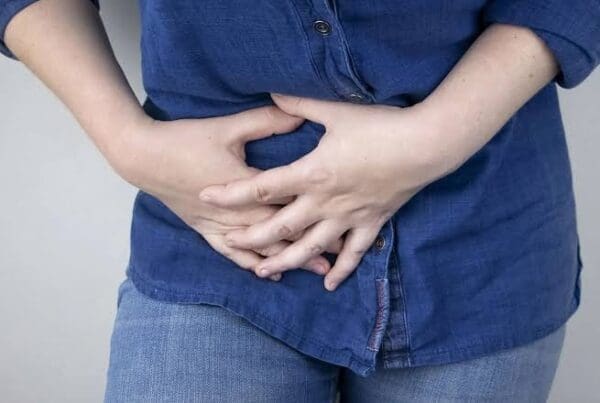

Quick Remedy Finder for Diarrhoea
Diarrhoea remedies separate best when you notice when the stool comes, what immediately triggers it, whether there is cramping or almost no pain, what the stool is like, and how you feel afterwards.
- Podophyllum – Painless, profuse, gushing diarrhoea in the early morning, often around 4–5 a.m., with watery yellow, green or frothy stool, much rumbling and marked exhaustion afterwards. Fruit, milk, sour food, hot weather and eating can aggravate. [1]
- Phosphoricum acidum – Painless watery diarrhoea with a distinctly drained, apathetic or mentally exhausted aftermath, often worse morning, after fruit or beer, after grief or prolonged study. Stool may contain undigested food; quiet rest or a short sleep helps the person recover. [2]
- Natrum sulphuricum – Morning diarrhoea that drives you out of bed, gushing and often brown-green, with spluttering offensive wind, colic and sometimes backache. Damp/foggy weather, cold drinks, fruit and beer aggravate; dry warmth helps. [3]
- Magnesium sulphuricum – Watery gushing stool on rising or soon after meals, with griping, tenesmus, burning and a raw feeling at the anus. Cold drinks, fruit, salads, rich or sour food aggravate; warmth, bending forward and gentle abdominal pressure relieve. [4]
- Croton tiglium – Sudden, forceful yellow watery stool immediately after eating or drinking, almost as if shot out, often with little tenesmus but profound weakness afterwards. Motion can trigger another rush; the anus may feel raw and extremely touch-sensitive. [5]
- Gratiola officinalis – Forceful watery, frothy or greenish stool immediately after food or drink, but with much more gurgling, flatus, tenesmus and burning than Croton. Cold drinks, fruit, tea and movement aggravate; stillness, warmth, bending forward and pressure help. [6]
Additional differentials: Rheum palmatum for sour, fermenting, pappy or frothy diarrhoea with sour odour and short-lived relief after stool; Jalapa for noisy night/early-morning diarrhoea with griping, wind and warmth/pressure relief; Arsenicum album for burning offensive diarrhoea with chilliness, anxious restlessness, small frequent sips and after-midnight aggravation; Jatropha curcas for an extreme gushing “rice-water” collapse picture with vomiting and cramps; and Okoubaka when diarrhoea follows contaminated/spoiled food, medicines or a clear toxic exposure pattern. [7][8][9][10][11]
Diarrhoea is a symptom, not one disease
Loose or watery stools can come from a short-lived infection, food intolerance, medication, stress, IBS, antibiotic-associated bowel change, inflammatory bowel disease and many other causes. Most short acute episodes settle within several days, but dehydration is the immediate practical risk. [12][14]
This guide deliberately keeps general diarrhoea separate from the future dedicated guides on stomach bugs/gastroenteritis, food poisoning, children’s diarrhoea and travel-related digestive upset. Here, the focus is the symptom pattern itself: what the stool does, what triggers it and how to support hydration and recovery safely.
If diarrhoea becomes persistent or keeps recurring, the question changes from “how do I stop this episode?” to “why is my bowel repeatedly becoming loose?” A food/medication diary and medical assessment may then be more useful than repeatedly suppressing the stool.
The Four-Beat Stool Story
For 24–48 hours, describe each episode in four short beats:
- Trigger: waking, eating, drinking, fruit, milk, cold drinks, damp weather, stress or no obvious trigger?
- Warning: violent gurgling, griping, burning, nausea, urgency—or almost no warning?
- Stool: watery, gushing, yellow, green, frothy, sour, offensive, mucous or containing undigested food?
- Aftermath: relief, weakness, faintness, chilliness, raw anus, renewed urgency or desire to sleep?
This structure gives much better homeopathic differentiation than “watery stool”. Podophyllum is early-morning and painless; Natrum sulphuricum adds damp-weather aggravation; Croton is immediate and explosive after intake; Gratiola adds gurgling/tenesmus; Phosphoricum acidum adds apathy and post-loss depletion; Magnesium sulphuricum combines post-meal flux with griping and burning. [1][2][3][4][5][6]
Interactive Diarrhoea Remedy Finder
The finder checks timing, food/drink triggers, pain, stool force, sourness, burning, weather, movement and the after-stool state before giving a remedy or small remedy differential.
Main Homeopathic Remedy Pictures for Diarrhoea
Podophyllum – painless, profuse early-morning diarrhoea
Podophyllum is one of the strongest direct diarrhoea records in the entire 487-remedy archive. The keynote is painless, profuse, offensive, gushing stool in the early morning, classically around 4–5 a.m. [1]
The stool can be watery, yellow, green or frothy and may contain mucus or undigested food. Rumbling and shifting wind often build beforehand, but there may be surprisingly little tenesmus. The bowel can feel as if it suddenly empties everything at once, leaving marked weakness afterwards.
Fruit, milk, sour food, eating and hot summer weather aggravate. Lying on the abdomen, bending forward, warmth and rest can help the abdominal discomfort. Compare Natrum sulphuricum if damp/fog and brown-green spluttering stool are central; compare Phosphoricum acidum when the bowel loss is less explosive but the mental/physical depletion is striking.
Phosphoricum acidum – painless diarrhoea with apathy and exhaustion
Phosphoricum acidum is another very strong whole-archive diarrhoea picture, but the emphasis is what happens to the person after the stool. The diarrhoea is often painless and watery, sometimes white or containing undigested food, and leaves the person drained, indifferent and wanting to lie down or sleep. [2]
Fruit, beer, cold milk, grief, prolonged mental exertion and study can aggravate. A short sleep may temporarily restore clarity. This is a particularly useful distinction when someone says: “The bowel itself is not that painful—what gets me is how completely empty and mentally flat I feel afterwards.”
Natrum sulphuricum – damp-weather morning diarrhoea
Natrum sulphuricum has a very characteristic morning, driving-from-bed diarrhoea: gushing, watery and often brown-green, with spluttering offensive wind, colic and sometimes backache. [3]
Dampness is the defining trigger. Rain, fog, damp houses, cellars and wet weather aggravate, as can cold drinks, fruit, green vegetables and beer. Dry warm weather, warm drinks and dry heat help.
Podophyllum is also early-morning and gushing, but does not have the same strong damp-weather polarity. Magnesium sulphuricum also worsens with cold drinks and morning rising, but adds more griping, burning and post-meal triggering.
Magnesium sulphuricum – watery stool after meals with griping and burning
Magnesium sulphuricum combines watery gushing diarrhoea on rising or soon after meals with griping, tenesmus and burning/rawness at the outlet. [4]
Cold drinks or ice, fruit, salads, rich or sour foods and damp cold weather aggravate. Warm applications, warm drinks, bending forward and gentle abdominal pressure relieve. The stool may be greenish or mucous, especially when the broader picture has a bilious quality.
Compared with Gratiola, Magnesium sulphuricum is less “instant after one sip” and more a meal/cold-drink/fermentation pattern with griping and rawness.
Croton tiglium – explosive stool immediately after eating or drinking
Croton is one of the clearest trigger-to-stool remedies in the archive. The person eats or drinks and almost immediately there is a sudden, forceful yellow watery stool, sometimes described as shooting out like a hydrant. [5]
The passage may be relatively painless and tenesmus is usually not a major feature, but the aftermath can be exhausting. Motion—even turning in bed—may trigger another rush. The anus can be burning, raw and unusually sensitive to touch or wiping.
Gratiola is the closest comparison when food/drink also triggers an immediate stool, but Gratiola has much more gurgling, flatus, colic and tenesmus.
Gratiola officinalis – immediate post-intake diarrhoea with gurgling and flatus
Gratiola has forceful watery, frothy or greenish diarrhoea immediately after eating or drinking, but unlike Croton the bowel gives plenty of warning: gurgling “like water in a bottle”, abdominal distension, flatus, griping and then a rush to stool. [6]
Burning and tenesmus follow; the anus may feel raw or itchy. Cold drinks, fruit, tea, movement and rising aggravate. Keeping still, bending forward, warm applications and gentle abdominal pressure relieve.
Additional and Narrower Remedy Differentials
Rheum palmatum – sour, fermenting diarrhoea
Rheum is strongly marked by sourness: sour-smelling pappy or frothy stool, sour body odour and fermentative griping around the navel. Fruit, milk, sweets and eating can aggravate. [7]
It is especially prominent in childhood Materia Medica, so this general adult/whole-family article keeps it secondary rather than allowing it to swallow the future children’s diarrhoea guide.
Jalapa – noisy night diarrhoea with griping and wind
Jalapa gives frequent watery yellow/frothy stools with loud wind and colic, particularly at night and towards early morning. Warmth, firm pressure and bending forward help; cold, movement and uncovering aggravate. [8]
Arsenicum album – burning diarrhoea, chilliness and anxious restlessness
Arsenicum has watery offensive diarrhoea that burns/excoriates, often worse after midnight, with rapid weakness, chilliness, anxiety/restlessness and thirst for small frequent sips. [9]
Its source strongly overlaps food poisoning and travel-type diarrhoea, so those specific contexts will be developed more fully in their own future guides.
Jatropha curcas – extreme gushing diarrhoea with vomiting and cramps
Jatropha is an extreme choleraic source picture: profuse rice-water/whey-like stools, vomiting from the least drink, severe cramps in calves/hands, coldness, faintness and collapse. [10]
This is not a routine self-help picture. Severe fluid loss, collapse, inability to retain fluids or marked dehydration requires urgent conventional care regardless of remedy similarity.
Okoubaka – diarrhoea after a clear toxic/food/drug exposure
Okoubaka’s source centres on diarrhoea after spoiled food, poisoning, medication or other toxic exposure, often with offensive watery stool, cramping and relief after elimination. [11]
Because that overlaps strongly with future food-poisoning and treatment-related digestive guides, it remains a narrower differential here.
Home remedy number one: replace water and electrolytes
The most important home treatment for significant acute diarrhoea is preventing dehydration. The NHS advises plenty of fluids, and oral rehydration solutions are particularly useful when you are losing substantial fluid because they replace water, glucose, sodium and other electrolytes. [12][13]
Reduced-osmolarity ORS is recommended internationally as first-line rehydration for mild-to-moderate dehydration from acute diarrhoea. [18]
Practical rules:
- use small frequent sips if nausea is present;
- pharmacy ORS sachets are easier to mix accurately than improvising;
- replace ongoing stool losses rather than drinking one huge amount at once;
- continue breastfeeding and normal milk feeds for babies unless a clinician advises otherwise;
- avoid fruit juice and fizzy drinks in children because their sugar concentration can worsen diarrhoea. [16]
Sodium, potassium and food-based electrolyte recovery
Diarrhoea loses more than plain water. Sodium and potassium are among the electrolytes that can fall when losses are substantial. Commercial ORS is designed around intestinal sodium–glucose absorption, which is why it is more reliable than plain water when dehydration is developing. [13][18]
Once you can eat, simple foods can contribute to recovery:
- broth or soup for fluid and sodium;
- banana or potato for potassium;
- rice, toast, oats or crackers for easy carbohydrate;
- eggs, chicken or other tolerated protein once appetite returns.
This is not a reason to take high-dose potassium tablets. Potassium supplements can be dangerous in kidney disease and with certain medicines. Food plus appropriate ORS is the safer default unless a clinician has measured an electrolyte problem.
Eat when you can: prolonged fasting and the BRAT-only diet are not necessary
Modern guidance does not recommend routinely starving the gut. NIDDK advises returning to a normal age-appropriate diet when appetite returns rather than following an unnecessarily restrictive diet. [15]
For a day or two, many people tolerate simpler foods better: rice, potatoes, oats, toast, bananas, soup, eggs, chicken and cooked vegetables. What tends to worsen acute diarrhoea is more consistent:
- alcohol;
- large amounts of caffeine;
- fried/high-fat food;
- very sugary drinks;
- sugar alcohols such as sorbitol;
- large amounts of lactose if a temporary post-infectious lactose intolerance has developed. [15]
The old BRAT diet (banana, rice, applesauce, toast) can provide a few tolerable foods, but it is too nutritionally narrow to be the whole recovery diet for several days.
Green banana and pectin: a traditional food remedy with real clinical evidence
Cooked green banana is one of the more interesting traditional diarrhoea remedies because it has actually been tested clinically, mainly in young children alongside standard rehydration and feeding.
A 2024 systematic review/meta-analysis of randomised trials found green banana as an adjunct to standard care improved resolution of acute and persistent childhood diarrhoea across the included studies. [21] A randomised trial in children with acute watery diarrhoea found more children recovered within 72 hours when cooked green banana was added to standard care. [22]
Earlier work suggests resistant starch and pectin may help by providing fermentable substrate that supports colonic absorption and stool formation. The evidence is strongest in paediatric settings, so this should be seen as a food adjunct, not as a replacement for ORS or a universal adult antidiarrhoeal.
For an adult who tolerates it, cooked green banana or plain rice can simply be part of a gentle recovery meal.
Probiotics: strain-specific evidence, not a generic “take probiotics” rule
The probiotic literature is genuinely mixed. A WHO-commissioned 2024 systematic review found probiotics shortened acute childhood diarrhoea by roughly 13 hours on average, but certainty was low because strains, doses and studies varied substantially. [19]
A newer 2026 umbrella meta-analysis pooling many meta-analyses reported possible benefits, particularly for specific strains such as Saccharomyces boulardii CNCM I-745, Lacticaseibacillus rhamnosus GG and Limosilactobacillus reuteri DSM 17938. [20]
However, the current WHO guideline for children up to 10 years suggests against routine probiotics for acute watery diarrhoea because certainty is low. [17]
So:
- do not assume every “multi-strain probiotic” has evidence;
- benefit, if present, is strain-specific;
- probiotics are optional adjuncts, not rehydration treatment;
- people who are severely immunocompromised or critically ill should get medical advice before using live microbial products.
Zinc: one of the few minerals with a specific diarrhoea guideline
Zinc deserves a proper section because it is not merely a wellness supplement in childhood diarrhoea.
The World Health Organization’s current guideline recommends adjunctive oral zinc for children up to 10 years with acute watery or persistent diarrhoea and suggests a 5 mg daily dose for up to 14 days, a lower-dose recommendation than older WHO guidance. [17]
The evidence and public-health rationale are strongest in children, particularly where zinc deficiency or malnutrition is common. Older infectious-diarrhoea guidance also notes benefit is clearest in young children living in areas with high zinc deficiency or who show malnutrition. [18]
For a well-nourished adult with a two-day stomach upset, zinc is not an evidence-based universal antidiarrhoeal supplement. For children, follow local paediatric/pharmacy advice because formulation and recommended dosing policy can vary by country.
Psyllium: useful for recurrent loose stool, not for dehydrating infectious diarrhoea
Soluble fibre can sound counter-intuitive when somebody already has diarrhoea, but psyllium forms a water-holding gel and can make loose stool more formed.
A randomised clinical trial in adults with loose/liquid faecal incontinence found psyllium significantly reduced episodes compared with placebo. [24] A later pilot trial found both psyllium and a dietitian-led low-FODMAP approach were viable options for loose-stool-associated faecal incontinence. [25]
NICE also prefers soluble fibre such as ispaghula/psyllium over insoluble bran when fibre is being adjusted in IBS. [27]
This is most relevant to recurrent functional loose stools or IBS-type diarrhoea. It is not the first thing to add during a dehydrating acute infection, and it must be taken with adequate fluid.
Peppermint: useful for IBS-type cramping, not an acute infection cure
Enteric-coated peppermint oil has antispasmodic properties and has evidence for improving global IBS symptoms and abdominal pain. A 2022 meta-analysis found it superior to placebo for both outcomes, though adverse effects were more frequent and evidence quality was rated very low. [26]
That makes peppermint potentially useful when diarrhoea is part of an IBS-D pattern with cramping. It does not treat norovirus, salmonella or another acute infection.
Peppermint oil capsules can worsen reflux/heartburn in some people. Peppermint tea is gentler and contributes fluid, but the strongest trial evidence is for enteric-coated oil rather than ordinary tea.
Ginger: better evidence for vomiting than for diarrhoea itself
Ginger often gets listed as a “diarrhoea herb”, but its better clinical role is nausea and vomiting.
In a double-blind randomised trial of children with acute gastroenteritis, oral ginger reduced subsequent vomiting compared with placebo. [23]
So ginger tea may be a reasonable supportive drink for an adult with diarrhoea plus nausea if it is tolerated, but it should not be described as a proven antidiarrhoeal. If vomiting prevents you keeping fluids down, dehydration risk becomes more important than the herb choice.
Supplements that can actually make diarrhoea worse
A natural-health guide should not only ask “what can I add?” It should also ask whether something you already take is driving the symptom.
Magnesium
Supplemental magnesium—particularly some salts used in laxatives and antacids—can cause diarrhoea because unabsorbed magnesium draws water into the bowel. [28] If loose stools started after increasing magnesium citrate, oxide or another supplement, review that before adding an antidiarrhoeal.
High-dose vitamin C
Large supplemental vitamin C doses can cause osmotic diarrhoea, nausea and abdominal cramps. [29]
Sugar alcohols
Sorbitol, xylitol and similar polyols can loosen stools in susceptible people. NICE specifically advises people with diarrhoea-predominant IBS to avoid sorbitol. [27]
Also review new antibiotics, metformin, laxatives, magnesium-containing antacids and other medicines with a pharmacist or prescriber if the timing fits.
Loperamide and bismuth: useful sometimes, wrong sometimes
Adults with uncomplicated acute watery diarrhoea sometimes use loperamide or bismuth subsalicylate for symptom control. Rehydration still comes first.
Infectious-diarrhoea guidance allows loperamide in immunocompetent adults with acute watery diarrhoea but advises avoiding it where inflammatory diarrhoea, significant fever or blood in stool is suspected. [18]
Bismuth subsalicylate has modest evidence for infectious and traveller’s diarrhoea. A systematic review/meta-analysis found greater odds of symptomatic relief versus placebo, although much of the underlying evidence is older. [30]
Bismuth is not suitable for everyone: salicylate allergy, anticoagulants, pregnancy and use in children/teenagers require particular caution. Ask a pharmacist if unsure.
A 48-hour food, fluid and stool check
If the diarrhoea is not severe enough to need immediate assessment, write down:
- number of loose stools;
- approximate fluid intake;
- urine frequency and colour;
- fever or vomiting;
- blood or mucus;
- foods/drinks in the 6 hours before each flare;
- medicines and supplements;
- whether stool happens immediately after eating;
- morning versus night pattern;
- what happens after stool—relief, faintness, sleepiness, renewed urgency.
For homeopathy, the most useful four words often become something like “morning – painless – gushing – exhausted” or “after food – gurgling – burning – relieved”. For conventional assessment, the same diary can reveal dehydration, medication triggers, persistent nocturnal diarrhoea or an obvious food relationship.
Preventing spread when an infection may be responsible
The NHS advises staying away from school or work until at least 48 hours after the last episode of diarrhoea or vomiting. [12]
- wash hands thoroughly with soap and water;
- clean toilet seats, flush handles, taps and frequently touched surfaces;
- wash soiled clothes/bedding separately on a hot wash;
- do not prepare food for other people while symptomatic if possible;
- do not share towels or utensils;
- avoid swimming until at least 48 hours after symptoms stop.
Alcohol hand gel is useful in many settings, but soap-and-water handwashing remains particularly important in gastrointestinal outbreaks.
When diarrhoea needs medical assessment
Most acute episodes settle at home, but seek medical advice sooner if you cannot keep fluids down, are becoming dehydrated, have blood in the stool, severe or persistent abdominal pain, high fever, black/tarry stool, marked weakness or symptoms that are not settling as expected.
NHS dehydration warning signs include persistent dizziness on standing, unusual drowsiness/tiredness, very dark urine or passing much less urine than normal. [13]
Children, older adults, pregnant people, people with kidney disease/diabetes, immunocompromised people and those with significant chronic illness can dehydrate or deteriorate faster.
Persistent diarrhoea, recurrent night-time diarrhoea, weight loss, anaemia, repeated blood/mucus or a major change from your usual bowel pattern deserves investigation rather than repeated self-treatment.
Frequently Asked Questions
What is the best homeopathic remedy for diarrhoea?
There is no single best remedy. Podophyllum is especially strong for painless profuse early-morning diarrhoea; Phosphoricum acidum for painless watery stool with marked post-stool exhaustion/apathy; Natrum sulphuricum for damp-weather morning diarrhoea; Magnesium sulphuricum for post-meal watery stool with griping/burning; and Croton or Gratiola when stool follows food or drink almost immediately. [1][2][3][4][5][6]
What foods help diarrhoea?
Eat when you feel able. Simple foods such as rice, potatoes, oats, toast, banana, soup, eggs or chicken are often tolerated. Avoid very fatty foods, alcohol, large amounts of caffeine, very sugary drinks and sugar alcohols while the bowel is loose. [15]
Does zinc help diarrhoea?
Zinc has a specific evidence-based role in childhood diarrhoea. Current WHO guidance recommends adjunctive zinc for children up to 10 years and suggests 5 mg daily for up to 14 days. It is not a universal adult antidiarrhoeal supplement. [17]
Does peppermint help diarrhoea?
Peppermint oil has evidence for IBS symptoms and abdominal pain, so it can be useful when loose stool is part of an IBS-D cramping pattern. It is not a treatment for acute infectious diarrhoea. [26]
Does ginger stop diarrhoea?
The better evidence for ginger is anti-nausea/anti-vomiting rather than directly stopping diarrhoea. It may be a useful supportive drink if nausea accompanies the episode and you can tolerate it. [23]
Can I take loperamide for diarrhoea?
Some immunocompetent adults with uncomplicated acute watery diarrhoea can use loperamide, but it should be avoided when there is significant fever, bloody/inflammatory diarrhoea or another reason to suspect a serious infection. It is not for young children. [18]
When the same diarrhoea pattern keeps returning
Repeated loose stools are much easier to understand when the recurring pattern is clear: early-morning painless gushing, damp-weather stool, immediate post-meal evacuation, sour fermentation, burning/rawness, stress-related depletion or an obvious supplement/food trigger.
If several remedy pictures overlap, diarrhoea keeps returning, or it sits within IBS, food intolerance, medication use, inflammatory bowel symptoms or significant weight/nutritional change, a consultation can consider the whole pattern while appropriate medical and nutritional investigation continues.
References
- Qandil, I. (n.d.) ‘Podophyllum’, IQ Homeopathy. Available at: https://www.iqhomeopathy.com/materia-medica/podophyllum/ (Accessed: 24 August 2026).
- Qandil, I. (n.d.) ‘Phosphoricum acidum’, IQ Homeopathy. Available at: https://www.iqhomeopathy.com/materia-medica/phosphoricum-acidum/ (Accessed: 24 August 2026).
- Qandil, I. (n.d.) ‘Natrum sulphuricum’, IQ Homeopathy. Available at: https://www.iqhomeopathy.com/materia-medica/natrum-sulphuricum/ (Accessed: 24 August 2026).
- Qandil, I. (n.d.) ‘Magnesium sulphuricum’, IQ Homeopathy. Available at: https://www.iqhomeopathy.com/materia-medica/magnesium-sulphuricum/ (Accessed: 24 August 2026).
- Qandil, I. (n.d.) ‘Croton tiglium’, IQ Homeopathy. Available at: https://www.iqhomeopathy.com/materia-medica/croton-tiglium/ (Accessed: 24 August 2026).
- Qandil, I. (n.d.) ‘Gratiola officinalis’, IQ Homeopathy. Available at: https://www.iqhomeopathy.com/materia-medica/gratiola-officinalis/ (Accessed: 24 August 2026).
- Qandil, I. (n.d.) ‘Rheum palmatum’, IQ Homeopathy. Available at: https://www.iqhomeopathy.com/materia-medica/rheum-palmatum/ (Accessed: 24 August 2026).
- Qandil, I. (n.d.) ‘Jalapa’, IQ Homeopathy. Available at: https://www.iqhomeopathy.com/materia-medica/jalapa/ (Accessed: 24 August 2026).
- Qandil, I. (n.d.) ‘Arsenicum album’, IQ Homeopathy. Available at: https://www.iqhomeopathy.com/materia-medica/arsenicum-album/ (Accessed: 24 August 2026).
- Qandil, I. (n.d.) ‘Jatropha curcas’, IQ Homeopathy. Available at: https://www.iqhomeopathy.com/materia-medica/jatropha-curcas/ (Accessed: 24 August 2026).
- Qandil, I. (n.d.) ‘Okoubaka’, IQ Homeopathy. Available at: https://www.iqhomeopathy.com/materia-medica/okoubaka/ (Accessed: 24 August 2026).
- NHS (2023, current 2026) ‘Diarrhoea and vomiting’. Available at: https://www.nhs.uk/symptoms/diarrhoea-and-vomiting/ (Accessed: 24 August 2026).
- NHS (2026) ‘Dehydration’. Available at: https://www.nhs.uk/conditions/dehydration/ (Accessed: 24 August 2026).
- National Institute of Diabetes and Digestive and Kidney Diseases (2024, current 2026) ‘Treatment of Diarrhea’. Available at: https://www.niddk.nih.gov/health-information/digestive-diseases/diarrhea/treatment (Accessed: 24 August 2026).
- National Institute of Diabetes and Digestive and Kidney Diseases (2024) ‘Eating, Diet, & Nutrition for Diarrhea’. Available at: https://www.niddk.nih.gov/health-information/digestive-diseases/diarrhea/eating-diet-nutrition (Accessed: 24 August 2026).
- National Institute for Health and Care Excellence (2009, current) ‘Diarrhoea and vomiting caused by gastroenteritis in under 5s: diagnosis and management’, CG84. Available at: https://www.nice.org.uk/guidance/cg84/chapter/Recommendations (Accessed: 24 August 2026).
- World Health Organization (2024) Guideline on management of pneumonia and diarrhoea in children up to 10 years of age. Available at: https://www.who.int/publications/i/item/9789240103412 (Accessed: 24 August 2026).
- Shane, A.L., Mody, R.K., Crump, J.A. et al. (2017) ‘2017 Infectious Diseases Society of America Clinical Practice Guidelines for the Diagnosis and Management of Infectious Diarrhea’, Clinical Infectious Diseases, 65(12), e45–e80. doi:10.1093/cid/cix669.
- Minaz, A. et al. (2024) ‘Efficacy of probiotics for treatment of acute or persistent diarrhoea in children from birth till 10 years: systematic review and meta-analysis’, Journal of Global Health, 14, 04236. doi:10.7189/jogh.14.04236.
- Fan, S., Mao, X. and Li, R. (2026) ‘Impact of Probiotics on Children with Acute Gastroenteritis: Results from an Umbrella Meta-Analysis’. PMID:42080229. doi:10.1177/27683605261441039.
- Role of green banana consumption in the treatment of acute and persistent diarrhea in children: a systematic review and meta-analysis of randomized controlled trials (2024). PMID:38972965.
- Gunasekaran, D. et al. (2020) ‘Effect of Green Banana (Musa paradisiaca) on Recovery in Children With Acute Watery Diarrhea With No Dehydration: A Randomized Controlled Trial’, Indian Pediatrics, 57(12), pp.1114–1118. PMID:32893836.
- Nocerino, R. et al. (2021) ‘Efficacy of ginger as antiemetic in children with acute gastroenteritis: a randomised controlled trial’, Alimentary Pharmacology & Therapeutics, 54(1), pp.24–31. doi:10.1111/apt.16404.
- Bliss, D.Z. et al. (2014) ‘Dietary fiber supplementation for fecal incontinence: a randomized clinical trial’, Research in Nursing & Health, 37(5), pp.367–378. PMID:25155992.
- Menees, S.B. et al. (2022) ‘A Randomized Pilot Study to Compare the Effectiveness of a Low FODMAP Diet vs Psyllium in Patients With Fecal Incontinence and Loose Stools’, Clinical and Translational Gastroenterology, 13(2), e00452. doi:10.14309/ctg.0000000000000454.
- Black, C.J., Yuan, Y., Selinger, C.P. et al. (2022) ‘Systematic review and meta-analysis: efficacy of peppermint oil in irritable bowel syndrome’, Alimentary Pharmacology & Therapeutics, 56(6), pp.932–941. doi:10.1111/apt.17179.
- National Institute for Health and Care Excellence (2008, current) ‘Irritable bowel syndrome in adults: diagnosis and management’, CG61. Available at: https://www.nice.org.uk/guidance/cg61/chapter/recommendations (Accessed: 24 August 2026).
- National Institutes of Health Office of Dietary Supplements (2026) ‘Magnesium: Fact Sheet for Consumers’. Available at: https://ods.od.nih.gov/factsheets/Magnesium-Consumer/ (Accessed: 24 August 2026).
- National Institutes of Health Office of Dietary Supplements (2025) ‘Vitamin C: Health Professional Fact Sheet’. Available at: https://ods.od.nih.gov/factsheets/VitaminC-HealthProfessional/ (Accessed: 24 August 2026).
- Brum, J.M., Gibb, R.D., Ramsey, D.L. et al. (2021) ‘Systematic Review and Meta-Analyses Assessment of the Clinical Efficacy of Bismuth Subsalicylate for Prevention and Treatment of Infectious Diarrhea’, Digestive Diseases and Sciences, 66(7), pp.2323–2335. doi:10.1007/s10620-020-06509-7.