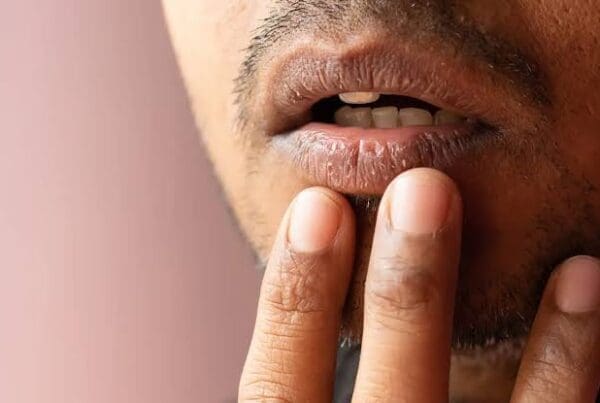

Quick Remedy Finder for Bad Breath & Halitosis
Bad breath is usually most useful to differentiate by what accompanies the smell: tongue coating, saliva, gum condition, dry mouth, morning timing, digestive/reflux symptoms, tonsil or post-nasal mucus, and whether teeth are decaying or becoming loose.
- Mercurius solubilis – Strongly offensive or fetid breath with profuse saliva, metallic taste, a swollen imprinted tongue and blue-red spongy gums that bleed easily; typically worse at night and in warmth. [1]
- Myrica cerifera – Foul sticky morning mouth, thick dirty-yellow tongue and spongy bleeding gums; breath is particularly offensive before the bowels move, worse in warm rooms and temporarily improved by cool rinsing and fresh air. [2]
- Hydrastis canadensis – Morning fetor with a large flabby coated tongue and thick stringy or ropy mucus, often from post-nasal catarrh; warm rinses help and cold drinks thicken the mucus. [3]
- Nux vomica – Offensive morning breath with bitter taste and a coated tongue, particularly after alcohol, tobacco, coffee, overeating, rich/spicy food or a late night; reflux, bloating and sourness may accompany it. [4]
- Carbo vegetabilis – Very offensive or putrid breath with sticky saliva, spongy/receding gums and marked bloating or offensive belching; warm rooms and rich food aggravate while fresh air and belching relieve. [5]
- Nitric Acid – Strong halitosis that remains offensive even after cleaning, with fissured or ulcerated mouth tissues, bleeding/receding gums and sharp splinter-like sensitivity to cold or touch. [6]
- Kreosotum – Bad breath especially in the morning with foul yellowish saliva, spongy bleeding gums and rapidly decaying or loosening teeth; warmth and sweets aggravate. [7]
- Sulphur – Offensive breath on waking with sour/bitter morning taste, burning gums or mouth and a clear tendency to worsen in a warm room or warm bed. [8]
- Lycopodium clavatum – Bad breath with metallic, bitter or sour taste, dry mouth, yellow coating, bloating and acid reflux; symptoms may worsen after even small amounts of food. [9]
- Yucca filamentosa – A foul, dry, bitter mouth with a heavily yellow-brown coated tongue; offensive breath is worse after sleep or eating, especially after rich/fatty food or alcohol. [10]
- Muriaticum acidum – Sour or putrid breath from a dark, ulcerated mouth, with a flabby imprinted tongue, spongy bleeding gums and marked dryness despite little thirst. [11]
- Psorinum – Foul breath particularly in the morning, dirty/flabby coated tongue and bleeding, ulcerated or receding gums, usually inside a very chilly, draught-sensitive pattern. [12]
- Robinia – A more specifically sour breath and acid taste from reflux, especially after midnight or lying down; cool water rinsing temporarily soothes the acid-burnt mouth. [13]
- Agraphis nutans – Mild but persistent halitosis linked with tonsillar debris, nasal obstruction and mouth-breathing; the tongue is coated on waking and the breath improves as the nasopharynx clears. [14]
Most persistent halitosis comes from inside the mouth rather than the stomach. Tongue coating, gum disease and poor oral hygiene are among the most important causes, so remedy matching should sit alongside finding and treating the source. [17]
Where is the smell actually coming from?
Bad breath—also called halitosis or oral malodour—is commonly produced when oral bacteria break down proteins and release volatile sulphur compounds. The back of the tongue is an important reservoir because its uneven surface holds bacteria, dead cells and food debris. [16][18]
A systematic review found that roughly 80–90% of halitosis is associated with intra-oral factors, particularly tongue coating, periodontal disease and inadequate oral hygiene. [17]
That is useful because many people immediately blame the stomach. Reflux can contribute, and throat or sinus problems can sometimes be involved, but the first investigation should usually be the teeth, gums, tongue, saliva and dentures. [15][16]
Your bad-breath fingerprint: what to notice
- Tongue: clean, white-coated, yellow/brown, thickly coated, flabby, fissured or ulcerated?
- Saliva: dry/scant, sticky, stringy, profuse, foul-smelling or metallic tasting?
- Gums: normal, bleeding, swollen, spongy, receding or ulcerated?
- Timing: mainly on waking, after eating, after alcohol/coffee, all day, or worse at night?
- Digestion: sour reflux, bloating, offensive belching, nausea or worsening after rich/fatty foods?
- Nose/throat: blocked nose, mouth-breathing, post-nasal mucus, enlarged tonsils or visible tonsil debris?
- Teeth: obvious decay, loose teeth, food trapping, an abscess or troublesome dentures?
- What changes it? tongue cleaning, flossing/interdental cleaning, cool rinsing, fresh air, warm rinses, eating, bowel movement or reflux control?
These distinctions are much more useful than trying to judge the strength of the smell alone.
Interactive Bad Breath & Halitosis Remedy Finder
The finder starts with the strongest accompanying clue—tongue coating, gum changes, dry/sticky mouth, reflux/digestion, morning timing, tonsil/post-nasal symptoms or dental decay—and then narrows by saliva, taste, temperature, food triggers and what provides relief.
Foul breath with a coated tongue or altered saliva
Mercurius solubilis – fetor, saliva and spongy gums
Mercurius has a very coherent mouth picture: fetid breath, profuse salivation, metallic taste and a swollen tongue often marked by the teeth. The gums are blue-red, spongy and bleed easily. The whole mouth tends to become worse at night and with warmth. [1]
Profuse saliva is important because many people assume offensive breath must come from a dry mouth. In Mercurius, the mouth can be extremely wet and still smell strongly offensive.
Explore the full Mercurius solubilis Materia Medica →
Myrica cerifera – dirty-yellow tongue and foul sticky morning mouth
Myrica centres on a thick dirty-yellow tongue, pasty/sticky mouth and pronounced fetor. The gums are spongy and bleed easily. Morning before the first stool is often the foulest time; warm close rooms worsen the smell and heaviness, while cool rinses and fresh air temporarily improve the mouth. [2]
Digestive heaviness and an intolerance of rich or fatty food make Myrica more distinctive than a simple coated-tongue picture.
Explore the full Myrica cerifera Materia Medica →
Hydrastis canadensis – foul morning breath with ropy mucus
Hydrastis combines a large flabby yellow-white coated tongue with fetid morning breath and thick, tenacious, stringy mucus. The mucus may be drawn down from the post-nasal space and repeatedly hawked from the throat. Warm rinses and drinks soothe while cold drinks make the mucus feel thicker. [3]
This is particularly useful when the breath problem seems to bridge mouth, nose and throat rather than being purely dental.
When digestion or reflux is clearly part of the pattern
Nux vomica – morning breath after excess, stimulants or late nights
Nux vomica has offensive breath with a bitter morning taste and coated tongue. The wider pattern is strongly linked with overeating, rich or spicy food, coffee, alcohol, tobacco and mental strain. Sour eructations, heartburn, bloating and irritability often make the relationship obvious. [4]
When somebody says the mouth is worst after a late meal, alcohol or too much coffee and the whole digestive system feels irritable the next morning, Nux is much more specific than a generic “digestive bad breath” remedy.
Explore the full Nux vomica Materia Medica →
Carbo vegetabilis – putrid breath with gas and offensive belching
Carbo vegetabilis has very offensive, even putrid breath, sticky saliva and a bitter/rancid/metallic taste. The digestive clue is prominent bloating and fermentation with offensive belching that actually relieves abdominal pressure. Rich or fatty food and warm rooms aggravate; fresh air is welcomed. [5]
Receding or bleeding gums can reinforce the pattern, so Carbo can sit between a digestive and periodontal presentation.
Explore the full Carbo vegetabilis Materia Medica →
Lycopodium clavatum – sour taste, bloating and bad breath
Lycopodium has bad breath with a metallic, bitter or sour taste, dry mouth and a yellow or cracked tongue. Bloating after surprisingly small quantities of food, sour eructations and reflux are important accompanying features. [9]
Compared with Carbo vegetabilis, Lycopodium is less putrid and more sour/fermentative, with early satiety and the characteristic “small meal, large bloating” pattern.
Explore the full Lycopodium clavatum Materia Medica →
Yucca filamentosa – foul bitter mouth after food
Yucca has a strongly recognisable foul, dry, bitter mouth with a heavily yellow or brown coated tongue. Breath is fetid or putrid and becomes worse after sleep or after eating; rich/fatty foods and alcohol are particularly aggravating. [10]
Bitter or sour belching, fullness and a bilious/heavy digestive feeling distinguish it from Nux’s more irritable stimulant/overindulgence picture.
Explore the full Yucca filamentosa Materia Medica →
Robinia – sour breath from night-time reflux
Robinia is much narrower: sour saliva, acid taste and sour breath follow reflux that reaches the mouth, particularly after midnight or when lying down. The mouth can feel chemically irritated by the acid, and cool-water rinsing gives temporary comfort. [13]
If reflux is frequent, treating the reflux matters more than repeatedly masking the breath. NHS guidance lists acid reflux among recognised causes of bad breath. [15]
When the gums or teeth explain the smell
Nitric Acid – offensive even after cleaning
Nitric Acid has strong offensive halitosis that can persist despite cleaning. The tongue is fissured or ulcerated and the gums are spongy, offensive, receding and easily bleeding. Cold air, cold water and touch aggravate the sharp, sticking or splinter-like dental sensitivity. [6]
This pattern should prompt a real dental check because recession, ulcers and active periodontal disease are not cosmetic breath problems.
Explore the full Nitric Acid Materia Medica →
Kreosotum – foul saliva with rapid decay
Kreosotum has bad breath especially in the morning, foul-smelling yellowish saliva and spongy bleeding gums. The teeth may decay rapidly, become loose or crumble, and warmth and sweets aggravate. [7]
The rapid-decay element is the key. Bad breath plus obvious dental breakdown needs dental treatment regardless of which complementary remedy pattern is being considered.
Explore the full Kreosotum Materia Medica →
Muriaticum acidum – sour or putrid breath from a dark ulcerated mouth
Muriaticum acidum describes a more severe-looking mouth: dark or ulcerated tissues, a swollen flabby imprinted tongue, spongy bleeding gums and sour or putrid bad breath. The mouth can be extremely dry despite surprisingly little thirst. [11]
The dark tissue colour and least-touch soreness separate it from the brighter, more metallic Mercurius picture.
Explore the full Muriaticum acidum Materia Medica →
Psorinum – foul morning breath with dirty coating and recession
Psorinum has foul breath worst in the morning, a large dirty white/yellow coated tongue and bleeding, ulcerated or receding gums. It sits inside a strongly chilly pattern aggravated by cold air and draughts. [12]
The combination of dirty morning mouth + periodontal change + marked chilliness makes it more useful than relying on “morning breath” alone.
Morning breath, heat and the mouth-breathing/tonsil pattern
Sulphur – offensive on waking, hot and burning
Sulphur has offensive breath on waking with sour or bitter morning taste, burning in the mouth and gums that may bleed or ulcerate. Warm rooms and the heat of bed aggravate, while cool open air is more comfortable. [8]
This heat polarity helps separate it from Psorinum’s very chilly foul-morning pattern.
Explore the full Sulphur Materia Medica →
Agraphis nutans – tonsil debris, nasal blockage and mouth-breathing
Agraphis is a narrower but useful ENT pattern. The person wakes with a dry mouth, coated tongue and mild halitosis associated with tonsillar debris or chronic nasal obstruction. Mouth-breathing and snoring accompany the blocked nose, and the odour improves as the nasopharynx clears. [14]
If visible tonsil debris, recurrent tonsillitis or persistent nasal obstruction is the real driver, that cause deserves attention rather than simply treating the breath.
The practical starting point: teeth, tongue and interdental cleaning
NHS advice for bad breath is refreshingly simple:
- brush teeth and gums gently for two minutes twice a day using fluoride toothpaste;
- gently clean the tongue once daily with a tongue scraper or cleaner;
- clean between the teeth every day with floss or interdental brushes;
- keep dentures clean and remove them at night;
- attend regular dental check-ups. [15]
Tongue cleaning makes biological sense because the back of the tongue is a major source of odour-producing compounds. An older meta-analysis found that adding tongue cleaning to tooth-brushing reduced volatile sulphur compounds and tongue coating more than brushing alone. [19]
However, a broader Cochrane review found the clinical evidence for individual halitosis interventions to be low or very low certainty. So tongue cleaning is a sensible part of hygiene, not a guaranteed cure for every cause of halitosis. [18]
Do it gently. Scraping until the tongue bleeds is unnecessary and can create soreness without solving the underlying problem.
Bad breath plus bleeding gums: treat the gum disease
Persistent bad breath can be a symptom of gum disease. NHS lists bad breath and bad taste alongside bleeding, swollen and sore gums, recession and loose teeth. [20]
If the smell is periodontal in origin, professional cleaning matters. A systematic review of patients with periodontal disease found that professional tooth cleaning or non-surgical periodontal therapy combined with oral-hygiene instruction reduced objective or clinician-rated oral malodour measures. [21]
That is an important hierarchy: mouthwash cannot compensate for untreated periodontitis. If the gums bleed, recede or the teeth feel loose, arrange a dental assessment rather than continually buying stronger breath products.
Dry mouth can make breath much worse
Saliva naturally washes the mouth, dilutes debris and helps control the environment in which odour-producing bacteria live. A dry mouth therefore makes bad breath more likely. NHS lists medicines, dehydration, mouth-breathing, anxiety and several medical conditions among causes of persistent dryness. [22]
If dryness is part of the picture:
- drink water regularly;
- chew sugar-free gum or use sugar-free sweets if suitable;
- avoid smoking and excess alcohol;
- ask a pharmacist about gels or sprays when water is not enough;
- review medicines with a pharmacist or prescriber rather than stopping them yourself. [22]
This is also why sugar-free gum can temporarily improve breath after food: it helps stimulate saliva as well as masking odour. It should be an adjunct to cleaning, not a substitute for brushing and interdental care. [15][31]
Mouthwash: useful adjunct, not a diagnosis
NHS says an antibacterial mouthwash or toothpaste can be tried for bad breath, but mouthwash should be viewed as an adjunct. [15]
Evidence reviews have found some benefit from formulations containing combinations such as chlorhexidine, cetylpyridinium chloride (CPC) and zinc, but the evidence base is limited and recommendations are weak. [18][23]
Chlorhexidine-containing products can also stain teeth and tongue when used for longer periods. If you need an antiseptic mouthwash repeatedly, ask your dentist whether there is untreated gum disease, tongue coating, decay or another cause underneath the smell.
Do not rinse with mouthwash immediately after fluoride toothpaste if that simply washes the concentrated fluoride away; use it at another time unless your dental team advises differently.
Zinc: more relevant in a mouthrinse than as a supplement
Zinc can bind or neutralise some odour-producing sulphur compounds, which is why it appears in certain mouthwashes. Clinical reviews of halitosis products have found the best—though still limited—evidence around combinations containing zinc with CPC or chlorhexidine/CPC. [23]
This does not mean swallowing zinc tablets treats bad breath. There is no established oral zinc-supplement treatment for ordinary halitosis.
The NHS advises that adults should normally obtain zinc from a balanced diet and should not take more than 25 mg a day from supplements unless advised by a doctor, because excessive zinc can interfere with copper absorption. [29]
Probiotics: promising, but the evidence is still moving
Oral probiotics are an interesting area because the goal is to shift the oral microbial environment rather than simply cover up the smell.
A 2025 systematic review and meta-analysis of 10 studies found improvements in volatile sulphur compounds and some clinician-rated breath outcomes with probiotics, while acknowledging small sample sizes, heterogeneity and possible publication bias. [24]
A 2026 randomised placebo-controlled trial of 80 people found that Streptococcus salivarius K12, tongue brushing and their combination all reduced volatile sulphur compounds after four weeks, with the combined approach producing the greatest reduction. [25]
However, a 2022 systematic review concluded that the available evidence was not convincing enough for a clinical recommendation because protocols and study quality varied substantially. A separate 2022 meta-analysis found short-term improvements in breath scores and volatile sulphur compounds, but likewise cautioned that limited data and heterogeneity reduced confidence in the result. [26][28]
So probiotics are reasonable to describe as promising but not established first-line treatment. Cleaning the tongue, teeth and interdental spaces and treating gum disease still come first.
Green tea and other “natural breath” approaches
Green tea contains polyphenols that have been investigated for oral bacteria and volatile sulphur compounds. One randomised study in people with gingivitis found that a green-tea mouthwash reduced measured volatile sulphur compounds more than placebo over four weeks. [27]
That is interesting, but it is one part of a much weaker evidence base than the basic oral-hygiene measures. A broader Cochrane review could not identify any single halitosis intervention as clearly superior because certainty was generally low or very low. [18]
If you enjoy unsweetened green tea, it can fit comfortably into an ordinary diet. Avoid turning honey, sugary herbal syrups, acidic lemon mixtures or concentrated essential oils into frequent “breath remedies”, because repeated sugar and acid exposure is not friendly to teeth.
Food and fasting: temporary odour versus persistent halitosis
Garlic, onions, coffee, alcohol and strongly flavoured food can change breath temporarily. NHS also lists fasting and crash dieting among recognised causes of bad breath. [15]
If breath is only a problem after particular foods, the solution may simply be timing, water, sugar-free gum and good oral hygiene.
Persistent morning-to-evening halitosis is different. Do not keep eliminating foods at random in search of a “gut toxin”. Check the mouth first—tongue coating, gum disease, decay, dry mouth and dentures account for a large proportion of cases. [16][17]
Where reflux is clearly present, manage the reflux itself. Where the mouth is dry, prioritise hydration and saliva support. The treatment should follow the cause rather than the smell alone.
When the dentist cannot find an oral cause
Most halitosis is oral, but not all of it. NHS and Oral Health Foundation both list dry mouth, tonsillitis, reflux and some nose/throat problems among possible non-dental contributors. [15][16]
If your teeth, gums, tongue and dentures have been professionally checked and the odour persists, a GP may need to consider:
- persistent nasal or sinus disease;
- tonsillitis or tonsil debris;
- acid reflux;
- medication-related dry mouth;
- less commonly, other medical causes. [16]
Bad breath by itself is not a reliable way to diagnose liver, kidney, diabetes or digestive disease. Those diagnoses require their own clinical signs and appropriate testing.
When bad breath needs a dentist
The NHS advises seeing a dentist when bad breath has not gone away after a few weeks of self-care, or when it occurs with:
- painful, bleeding or swollen gums;
- toothache;
- wobbly adult teeth;
- problems with dentures. [15]
Arrange more urgent dental help for facial swelling, a suspected dental abscess, severe gum swelling or rapidly worsening dental pain.
If the mouth has been checked and the smell still persists, ask whether a medical cause—such as dry mouth, tonsil disease or reflux—needs assessment rather than repeatedly masking the breath.
Where homeopathy fits
Homeopathy can be used as a complementary approach by people who choose it. The remedy comparison here uses observable differences such as tongue coating, saliva, gum condition, timing, digestive symptoms, reflux, mouth-breathing and temperature response.
It should not replace tongue and interdental cleaning, treatment of gum disease or decay, management of persistent dry mouth, or investigation of reflux and ENT causes. NHS Specialist Pharmacy Service states that there is no good-quality evidence that homeopathy is effective as a treatment for any health condition. [30]
Frequently Asked Questions
What is the best homeopathic remedy for bad breath?
There is no single best remedy. Mercurius solubilis has fetid breath with profuse saliva and spongy bleeding gums; Myrica has a dirty-yellow sticky morning mouth; Hydrastis has ropy post-nasal mucus; Nux vomica follows excess food, alcohol or stimulants; and Carbo vegetabilis combines putrid breath with bloating and offensive belching. [1][2][3][4][5]
Why is my breath worst in the morning?
Saliva flow falls during sleep, the mouth may become drier, and bacteria and tongue coating have several hours to accumulate. Mouth-breathing, gum disease, reflux and some remedy patterns can all make morning breath more pronounced. Persistent severe morning halitosis deserves the same oral-health assessment as all-day bad breath. [15][22]
Can dry mouth cause halitosis?
Yes. Reduced saliva makes it easier for odour-producing material to accumulate. Water, sugar-free gum, management of mouth-breathing and review of medicines can help when dryness is contributing. [22]
Do probiotics help halitosis?
Possibly, but the evidence is not settled. Recent trials and a 2025 meta-analysis are encouraging, while earlier systematic reviews judged the evidence insufficient or inconsistent. Probiotics are better considered an adjunct after basic oral hygiene and dental causes have been addressed. [24][25][26]
When should I see a dentist about bad breath?
See a dentist if bad breath persists for a few weeks despite good self-care, or if you also have bleeding/swollen gums, toothache, wobbly adult teeth or denture problems. Persistent breath odour after a normal dental assessment may need medical evaluation. [15]
References
- Qandil, I. (n.d.) ‘Mercurius solubilis’, IQ Homeopathy. Available at: https://www.iqhomeopathy.com/materia-medica/mercurius-solubilis/ (Accessed: 26 August 2026).
- Qandil, I. (n.d.) ‘Myrica cerifera’, IQ Homeopathy. Available at: https://www.iqhomeopathy.com/materia-medica/myrica-cerifera/ (Accessed: 26 August 2026).
- Qandil, I. (n.d.) ‘Hydrastis canadensis’, IQ Homeopathy. Available at: https://www.iqhomeopathy.com/materia-medica/hydrastis-canadensis/ (Accessed: 26 August 2026).
- Qandil, I. (n.d.) ‘Nux vomica’, IQ Homeopathy. Available at: https://www.iqhomeopathy.com/materia-medica/nux-vomica/ (Accessed: 26 August 2026).
- Qandil, I. (n.d.) ‘Carbo vegetabilis’, IQ Homeopathy. Available at: https://www.iqhomeopathy.com/materia-medica/carbo-vegetabilis/ (Accessed: 26 August 2026).
- Qandil, I. (n.d.) ‘Nitric Acid’, IQ Homeopathy. Available at: https://www.iqhomeopathy.com/materia-medica/nitric-acid/ (Accessed: 26 August 2026).
- Qandil, I. (n.d.) ‘Kreosotum’, IQ Homeopathy. Available at: https://www.iqhomeopathy.com/materia-medica/kreosotum/ (Accessed: 26 August 2026).
- Qandil, I. (n.d.) ‘Sulphur’, IQ Homeopathy. Available at: https://www.iqhomeopathy.com/materia-medica/sulphur/ (Accessed: 26 August 2026).
- Qandil, I. (n.d.) ‘Lycopodium clavatum’, IQ Homeopathy. Available at: https://www.iqhomeopathy.com/materia-medica/lycopodium-clavatum/ (Accessed: 26 August 2026).
- Qandil, I. (n.d.) ‘Yucca filamentosa’, IQ Homeopathy. Available at: https://www.iqhomeopathy.com/materia-medica/yucca-filamentosa/ (Accessed: 26 August 2026).
- Qandil, I. (n.d.) ‘Muriaticum acidum’, IQ Homeopathy. Available at: https://www.iqhomeopathy.com/materia-medica/acidum-muriaticum/ (Accessed: 26 August 2026).
- Qandil, I. (n.d.) ‘Psorinum’, IQ Homeopathy. Available at: https://www.iqhomeopathy.com/materia-medica/psorinum/ (Accessed: 26 August 2026).
- Qandil, I. (n.d.) ‘Robinia’, IQ Homeopathy. Available at: https://www.iqhomeopathy.com/materia-medica/robinia/ (Accessed: 26 August 2026).
- Qandil, I. (n.d.) ‘Agraphis nutans’, IQ Homeopathy. Available at: https://www.iqhomeopathy.com/materia-medica/agraphis-nutans/ (Accessed: 26 August 2026).
- NHS (2025; current 2026) ‘Bad breath’. Available at: https://www.nhs.uk/symptoms/bad-breath/ (Accessed: 26 August 2026).
- Oral Health Foundation (2017; updated 17 April 2026) ‘Bad Breath’. Available at: https://www.dentalhealth.org/bad-breath (Accessed: 26 August 2026).
- ‘Aetiology and associations of halitosis: A systematic review’ (2022). PMID: 35212093.
- Kumbargere Nagraj, S. et al. (2019) ‘Interventions for managing halitosis’, Cochrane Database of Systematic Reviews, CD012213. doi:10.1002/14651858.CD012213.pub2.
- Kuo, Y-W. et al. (2013) ‘Toothbrushing versus toothbrushing plus tongue cleaning in reducing halitosis and tongue coating: a systematic review and meta-analysis’, Nursing Research, 62(6), pp.422–429. PMID: 24165218. doi:10.1097/NNR.0b013e3182a53b3a.
- NHS (2026) ‘Gum disease’. Last reviewed 20 April 2026. Available at: https://www.nhs.uk/conditions/gum-disease/ (Accessed: 26 August 2026).
- ‘The effect of professional tooth cleaning or non-surgical periodontal therapy on oral halitosis in patients with periodontal diseases. A systematic review’ (2017). PMID: 28836329.
- NHS (2023; current 2026) ‘Dry mouth’. Available at: https://www.nhs.uk/symptoms/dry-mouth/ (Accessed: 26 August 2026).
- ‘Treatment of oral malodour. Medium-term efficacy of mechanical and/or chemical agents: a systematic review’ (2015). PMID: 25682952.
- Yang, Y. et al. (2025) ‘Efficacy and safety of probiotic therapy for halitosis: a systematic review and meta-analysis of randomized controlled trials’, Journal of Breath Research. PMID: 41289613. doi:10.1088/1752-7163/ae23f0.
- Mei, L. et al. (2026) ‘Tongue brushing and oral probiotics for the treatment of halitosis: a randomized controlled trial’, Journal of Breath Research, 20(1). PMID: 41604763. doi:10.1088/1752-7163/ae3edc.
- Tay, J.R.H. et al. (2022) ‘The efficacy of probiotics in the management of intra-oral halitosis: a systematic review’, Clinical Oral Investigations, 26(7), pp.4687–4700. PMID: 35536439. doi:10.1007/s00784-022-04522-w.
- ‘Effect of green tea mouthwash on oral malodor’ (2014). PMID: 24977093.
- Huang, N. et al. (2022) ‘Efficacy of probiotics in the management of halitosis: a systematic review and meta-analysis’, BMJ Open, 12, e060753. PMID: 36600415. doi:10.1136/bmjopen-2022-060753.
- NHS (current 2026) ‘Vitamins and minerals – Others: Zinc’. Available at: https://www.nhs.uk/conditions/vitamins-and-minerals/others/ (Accessed: 26 August 2026).
- Specialist Pharmacy Service (2026) ‘Managing complementary products and conventional medicines’. Available at: https://sps.nhs.uk/articles/managing-complementary-products-and-conventional-medicines/ (Accessed: 26 August 2026).
- Oral Health Foundation (2026) ‘Aren’t things like mouthwash and sugar-free chewing gum just as good as brushing?’. Updated 7 July 2026. Available at: https://www.dentalhealth.org/faqs/toothbrushing-alternative (Accessed: 26 August 2026).