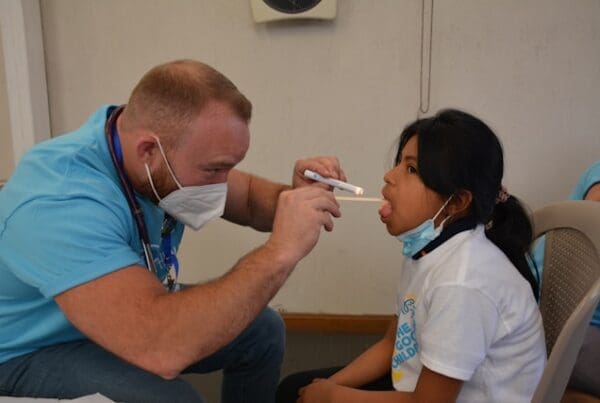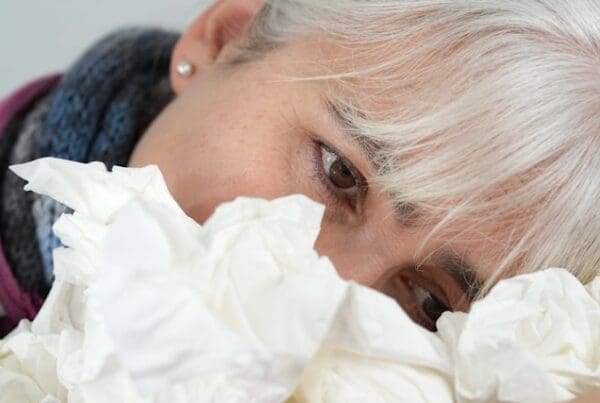

Quick Remedy Finder for Earache & Ear Pain
Ear pain can be hot and throbbing, sharp and stitching, burning, neuralgic, worse from touch, linked with swallowing or teeth, or accompanied by discharge. Those differences matter because pain that feels “inside the ear” can come from the middle ear, ear canal, throat, jaw or teeth.
- Belladonna – Sudden, hot, throbbing or stabbing ear pain, often right-sided, with redness, heat and marked sensitivity to noise; pain may run towards the throat or jaw. [1]
- Chamomilla – Severe earache in an angry, inconsolable child, particularly with teething; screaming, rubbing the ear and night aggravation, often soothed by being carried or rocked. [2]
- Hepar sulphuris – Sharp stitching ear pain after cold wind, extreme tenderness so the outer ear can barely be touched, with a tendency towards thick offensive discharge; warmth is preferred. [3]
- Plantago – Shooting pain between ear and teeth, often worse at night, from cold air, chewing or jaw movement; marked tenderness and salivation may accompany it. [4]
- Aconitum napellus – Very sudden burning or throbbing ear pain in the first hours after cold dry wind, with startle, noise sensitivity and aggravation in a warm room. [5]
- Pulsatilla nigricans – Throbbing night earache with a stopped or “water in the ear” feeling, often during a cold; thick yellowish/offensive discharge and temporary hearing change may occur. [6]
- Capsicum annuum – Burning deep in the ear that extends from the throat on swallowing, sometimes with fullness, pressure, snapping or crackling. [7]
- Verbascum thapsus – Facial or jaw neuralgia that shoots into the ear when chewing, talking or moving the jaw, worse draughts or temperature changes and better steady warmth and firm pressure. [8]
- Mercurius iodatus flavus – Right-sided throat/tonsil pain reflected into the right ear, particularly on chewing or swallowing; recurrent right-sided catarrhal ear pain may accompany it. [9]
- Mercurius iodatus ruber – The corresponding left-sided throat-to-ear pattern, with swallowing sending stitches towards the left ear. [10]
Other useful comparisons: Ferrum phosphoricum for a milder early congested earache with fullness during a cold or fever; Manganum aceticum for stitching ear/mastoid soreness worse cold wind and night; Tellurium for foul, acrid discharge with irritated skin around the ear; Silicea for chronic thick offensive purulent discharge; and Magnesium phosphoricum for sharp neuralgic ear pain worse cold/touch and better warmth and pressure. [11][12][13][14][15]
Earache does not always mean an ear infection
The NHS lists several common patterns behind ear pain. Pain with fever may occur with an ear infection or viral illness; pain with swallowing can be referred from the throat or tonsils; pain occurring with toothache can come from teething or a dental problem; and hearing change can accompany wax, glue ear, an object in the ear or a perforated eardrum. [17]
Outer-ear inflammation is different again. Otitis externa affects the skin of the ear canal and is often associated with water, swimming, shampoo, scratching or cotton-bud trauma. The outer ear or canal may be very tender, itchy or sore. [22]
For self-help, the important first step is therefore not to decide “which infection is this?” yourself. Instead notice where the discomfort seems centred, what provokes it and what comes with it.
Your earache fingerprint: the details worth noticing
- Quality: throbbing, burning, stabbing, stitching, shooting, pressure or raw tenderness?
- Location: deep inside, at the canal/outer ear, behind the ear, or does it clearly travel from throat, jaw or teeth?
- Side: right, left, both, or does it change?
- Touch: can you comfortably touch or move the outer ear?
- Swallowing and chewing: do they send pain into the ear?
- Temperature: cold wind worse, warmth better, warm room worse, or no clear difference?
- Timing: sudden first hours, mainly night, after sleep, or recurrent with colds?
- Companions: discharge, hearing change, blocked feeling, throat pain, teething, fever or skin irritation?
These observations make the remedy comparison more meaningful and also give a pharmacist or clinician much better information if the pain needs assessment.
Interactive Earache & Ear Pain Remedy Finder
This finder begins with the dominant pain pattern, then separates true ear-centred pain from throat-, jaw- and tooth-related pain, and goes deeper into side, touch, temperature, night aggravation, discharge and child/teething patterns.
Sudden, hot and throbbing earache
Belladonna – hot, red and violently throbbing
Belladonna fits an earache that comes on suddenly and intensely. The pain is stabbing or throbbing, the ear or surrounding area may look red and hot, and noise feels unusually intrusive. The picture is often right-sided and pain can run towards the throat or jaw. [1]
The useful distinction is the combination of heat + redness + pulsation + sensory sensitivity, rather than fever alone.
Aconitum napellus – first hours after cold dry wind
Aconitum is more specifically linked with a very sudden beginning after cold dry wind or abrupt chilling. The ear burns or throbs, sounds startle, and a warm room can intensify the pounding. The person may be restless or unusually alarmed by how quickly the symptoms appeared. [5]
Ferrum phosphoricum – milder early congestion
Ferrum phosphoricum is less dramatic. The earache starts with congestion and fullness during the early stage of a cold or fever, with mild pain and possibly slight ringing or reduced hearing. [11]
If the main complaint is persistent fullness without significant pain, that belongs more naturally to the separate blocked-ear/pressure topic.
Mercurius dulcis – recurrent catarrhal fullness with earache
Mercurius dulcis is a narrower comparison when ear discomfort repeatedly accompanies Eustachian or middle-ear catarrh, with fullness, reduced hearing and thick or gluey discharge, often more troublesome at night. [16]
Sharp, stitching pain and extreme touch sensitivity
Hepar sulphuris – the ear is too tender to touch
Hepar sulphuris has intense stitching pain, often after exposure to cold wind, with exceptional sensitivity to touch. Even touching or moving the outer ear may feel unbearable. The pattern can progress to thick, offensive discharge and tenderness around the mastoid area. [3]
Because pain and swelling behind the ear can also be a medical warning sign, marked mastoid-area swelling or worsening illness should not be interpreted simply as a remedy keynote.
Manganum aceticum – stitching with a bone-sore feeling
Manganum aceticum has stitching ear pain with tenderness around the mastoid or bony area behind the ear. Cold wind and night aggravate, and the pain can have a deep bone-sore quality. [12]
Magnesium phosphoricum – neuralgic pain better heat and pressure
Magnesium phosphoricum is more neuralgic: sharp or stabbing pain, often shooting from the jaw towards the ear, is worse from cold wind and touch but noticeably relieved by warmth and firm pressure. [15]
When the pain travels between the teeth, jaw, face and ear
Plantago – ear to tooth, tooth to ear
Plantago has a striking two-way relationship between teeth and ear: toothache shoots into the ear, or earache shoots towards the teeth. Cold air, sudden temperature changes, chewing and jaw movement aggravate; night can be particularly difficult. Tenderness and copious saliva may accompany the pain. [4]
Verbascum thapsus – jaw movement triggers the neuralgia
Verbascum is more facial-neuralgic. Pressing or crushing facial pain can travel into the ear, while talking, chewing or biting the teeth together triggers the attack. Draughts and changes of temperature aggravate; steady warmth and firm support or pressure help. [8]
This is an important reminder that ear pain can be referred. The NHS specifically notes that ear pain with toothache can reflect dental or teething problems rather than primary ear disease. [17]
When swallowing sends pain into the ear
Capsicum annuum – burning from throat into ear
Capsicum has burning deep in the ear that extends from the throat during swallowing. There may also be pressure, fullness and snapping or crackling in the ear. [7]
Mercurius iodatus flavus – right throat to right ear
Mercurius iodatus flavus is particularly useful to compare when a right-sided tonsil or throat problem sends pain into the right ear, especially with swallowing or chewing. Recurrent catarrhal ear pain may occur on the same side. [9]
Mercurius iodatus ruber – the left-sided counterpart
Mercurius iodatus ruber has the corresponding left-sided tonsil-to-ear pattern, with swallowing producing leftward ear stitches and enlarged or tender neck glands in the wider picture. [10]
Pain on swallowing is a recognised reason for referred earache from sore throat, tonsillitis or quinsy. Severe throat pain, difficulty swallowing or rapidly worsening illness therefore needs the throat assessed rather than assuming the ear itself is infected. [17]
Earache in a distressed or teething child
Chamomilla – severe pain, anger and wanting to be carried
Chamomilla is especially recognisable in a child who seems furious with the pain: screaming, rubbing or pulling the ear, difficult to console, and often much worse at night. Teething may be happening at the same time. Being carried, rocked or held close can temporarily settle the child. [2]
Ear rubbing alone does not prove an infection. The NHS notes that young children with earache may rub or pull the ear, become restless, eat less or react differently to sound. [17]
For a child with significant fever, bilateral earache under age two, discharge, hearing change or worsening symptoms, follow the NHS thresholds for assessment rather than relying on behaviour alone. [17]
When discharge changes the picture
Pulsatilla – throbbing at night with a stopped-up feeling
Pulsatilla has throbbing earache, often worse at night, with the ear feeling stopped or as if water is inside. During colds there may be temporary hearing loss, and a thick yellowish or offensive discharge can appear. [6]
Tellurium – acrid, foul discharge with irritated skin
Tellurium is more distinctive when the discharge is very offensive and acrid, irritating the skin around or behind the ear. Eczema-like fissures, soreness and an unusual echoing of one’s own voice or footsteps may accompany the ear symptoms. Night and bed warmth can aggravate. [13]
Silicea – chronic thick purulent discharge
Silicea belongs to a more chronic picture: thick, offensive, pus-like discharge, recurrent middle-ear trouble or abscess tendency, often with sensitivity to cold and draughts. [14]
Any new fluid or pus coming from the ear changes the self-care rules. The NHS advises urgent assessment for earache with discharge, and drops should not be put into a potentially perforated ear unless a clinician recommends them. [17][21]
What actually helps earache at home?
For uncomplicated earache, NHS self-care is straightforward:
- use paracetamol or ibuprofen when suitable for you or your child;
- place a warm flannel over the ear;
- do not put cotton buds, fingers or other objects into the ear;
- do not try to dig out wax yourself;
- keep water out of a painful ear. [17][18]
For acute middle-ear infection in children, NICE recommends regular age/weight-appropriate paracetamol or ibuprofen for pain. Most children improve within about three days without antibiotics, although symptoms can last up to a week. [19]
That makes pain control and watching the overall course more important than assuming that every painful ear needs an antibiotic.
Antibiotics and pain-relieving ear drops
NICE describes acute otitis media as usually self-limiting. For children who are less likely to benefit from antibiotics, a no-antibiotic or delayed/back-up prescription approach can be appropriate because antibiotics make relatively little difference to symptoms for many children and can cause diarrhoea or nausea. [19]
There is also a UK option for some children: NICE says an anaesthetic/analgesic ear drop can be considered when an immediate oral antibiotic is not being given and there is no perforated eardrum and no ear discharge. [19]
NICE’s evidence review found that topical anaesthetic/analgesic drops increased short-term pain reduction compared with placebo, although the underlying evidence was limited. [20]
These drops are not something to improvise if fluid is leaking from the ear. A perforated eardrum changes which products are safe. [21]
Herbal ear drops: why “natural” does not mean put oil in every painful ear
Garlic and mullein ear drops are frequently recommended online. There is some older clinical research: a 2001 randomised trial in 103 children compared a formulated herbal ear drop containing garlic, mullein, calendula and St John’s wort in olive oil with anaesthetic drops and reported similar improvement in ear pain. [27]
However, a later systematic review of herbal medicines for acute otitis media concluded that the overall evidence was inconclusive because only a few trials were available and their quality was generally poor or unclear. [28]
Most importantly, this evidence concerns prepared formulations used in diagnosed cases. It does not establish that homemade garlic oil or mullein oil is safe for an undiagnosed painful ear.
If there is discharge, suspected perforation, grommets/ear tubes, previous ear surgery or uncertainty about the eardrum, do not put herbal oils or over-the-counter drops into the canal without professional advice. NHS guidance for perforated eardrum specifically says not to use ear drops unless a doctor recommends them. [21]
Vitamin D: more relevant to recurrent infections than today’s pain
Vitamin D has been studied mainly as a possible preventive factor in recurrent acute otitis media, not as an acute painkiller. In one double-blind trial, 116 otitis-prone children were randomised to vitamin D or placebo; the supplemented group had fewer children experiencing another uncomplicated AOM episode over follow-up. [25]
A later review concluded that vitamin D deficiency has been associated with otitis media and that supplementation may reduce risk, but the evidence is not strong enough to turn vitamin D into a universal ear-infection treatment. [26]
The practical approach is to follow normal vitamin D guidance and correct a documented or likely deficiency where appropriate. Taking extra vitamin D during an acute earache is not a substitute for pain relief or assessment.
Xylitol and probiotics: prevention signals, not acute treatments
Xylitol
A Cochrane review found moderate-quality evidence that regular xylitol in gum, lozenges or syrup reduced acute middle-ear infections among otherwise healthy children attending day care—from about 30% to 22% in the pooled studies. But it did not show benefit when children already had a respiratory infection, and evidence in otitis-prone children was inconclusive. [23]
So xylitol is a prevention question, not something to start because a child has earache tonight.
Probiotics
A 2025 systematic review and meta-analysis of 16 trials involving more than 4,000 participants found a modest reduction in the probability of developing AOM, but no significant effect on recurrence, time to an episode or antibiotic requirement. [24]
That is promising enough to watch, but it does not justify recommending a generic probiotic product for an active ear infection. Strains, doses and study populations vary considerably.
Food, minerals and hydration
There is no established “ear infection diet”. Restricting dairy, wheat or other foods simply because a child has earache is not part of NHS or NICE management.
If fever or illness reduces appetite, focus on normal fluids and ordinary nourishing food as tolerated. For minerals such as zinc or magnesium, there is no established role as an acute treatment for ear pain or acute otitis media.
The more useful nutrition question is whether a person has an actual deficiency or an overall restrictive diet—not whether one nutrient can replace diagnosis, pain control or appropriate antimicrobial treatment.
Protect the ear canal: water, cotton buds and scratching
Outer-ear inflammation can be triggered by water, shampoo, humid conditions, eczema and tiny injuries from scratching or cotton buds. NHS ENT guidance therefore emphasises keeping the canal dry and not putting cotton buds or other objects inside. [22]
If swimming repeatedly triggers painful outer-ear episodes, prevention can involve keeping water out and discussing suitable swimming protection with an audiology or ENT service rather than repeatedly treating the canal after it becomes inflamed. [22]
Earwax is protective. The NHS advises against inserting objects to remove it; if wax is genuinely the problem, a pharmacist can advise on appropriate wax-softening treatment. Earwax drops should not be used when the eardrum is perforated. [31]
Reducing recurrent ear problems in children
Repeated middle-ear disease is not caused by one lifestyle factor, but tobacco smoke is one preventable exposure worth addressing. NHS guidance notes that stopping smoking and keeping the home smoke-free helps protect children against ear infections and hearing problems. [30]
This should be approached practically rather than judgmentally: if anyone in the household smokes, moving smoking completely outside and seeking stop-smoking support reduces a well-established respiratory exposure.
Vaccination, ordinary hand hygiene and managing recurrent nasal/upper-respiratory illness appropriately also form part of conventional prevention. Supplements are secondary to these basics.
When earache needs medical assessment
The NHS advises urgent help when earache is accompanied by fluid coming from the ear, hearing loss or change, swelling around the ear, very high temperature, feeling generally unwell, or an object in the ear. A child under two with pain in both ears also needs advice. [17]
Seek assessment when earache has lasted more than 2–3 days or keeps returning. [17]
Particular caution is needed with:
- new swelling, redness or marked tenderness behind the ear;
- new facial weakness, severe dizziness, confusion or severe headache;
- significant throat swelling or difficulty swallowing;
- sudden hearing loss;
- pain after trauma, a very loud noise or suspected perforation.
If the ear begins to discharge, keep it dry and do not start homemade or over-the-counter drops until the eardrum situation is clear. [21]
Where homeopathy fits
Homeopathy can be used as a complementary approach by people who choose it, with remedies differentiated by pain quality, side, timing, touch sensitivity, temperature, swallowing, jaw/teeth involvement and discharge.
It should not replace appropriate examination when there is discharge, hearing loss, significant fever, severe illness or recurrent ear pain. NHS Specialist Pharmacy Service guidance states that there is no good-quality evidence that homeopathy is effective as a treatment for any health condition. [29]
Frequently Asked Questions
What is the best homeopathic remedy for earache?
There is no single best remedy. Belladonna is more sudden, hot, red and throbbing; Chamomilla suits severe night earache in an angry teething child; Hepar sulphuris has sharp pain with extreme touch and cold sensitivity; Plantago shoots between teeth and ear; and Pulsatilla combines throbbing night pain with a stopped-up feeling or discharge. [1][2][3][4][6]
Does every ear infection need antibiotics?
No. NICE says most children with acute otitis media improve within around three days without antibiotics, although symptoms can last up to a week. Antibiotics are more appropriate in certain higher-risk or more severe situations. [19]
Can I put garlic or mullein oil in an aching ear?
Not without knowing the condition of the eardrum. An older trial of a formulated herbal ear drop containing garlic and mullein reported pain improvement, but broader herbal evidence is inconclusive. If there is discharge, suspected perforation, grommets or previous ear surgery, do not put oils or drops into the ear unless a clinician advises it. [21][27][28]
Do probiotics prevent ear infections?
Recent pooled evidence suggests probiotics, prebiotics or synbiotics may modestly reduce the overall chance of developing acute otitis media, but they did not clearly reduce recurrence or antibiotic use. The evidence is not strong enough to recommend an unspecified probiotic for an active ear infection. [24]
Can xylitol help prevent ear infections?
A Cochrane review found a preventive effect in otherwise healthy children attending day care, but not when children already had a respiratory infection, and evidence in otitis-prone children was inconclusive. It is therefore a prevention strategy, not an acute earache treatment. [23]
Why is the outside of my ear painful to touch?
Pain when touching or moving the outer ear can occur with inflammation of the ear canal, often called otitis externa or swimmer’s ear. Water, shampoo, scratching, cotton buds, eczema and humid conditions can contribute, so the canal should be kept dry and not poked or scratched. [22]
When should I seek help for a child's earache?
Seek advice if symptoms are not improving after 2–3 days, the child is generally unwell, has a very high temperature, swelling around the ear, discharge, hearing change, or is under two with pain in both ears. Trust your judgement if the child seems significantly unwell. [17]
References
- Qandil, I. (n.d.) ‘Belladonna’, IQ Homeopathy. Available at: https://www.iqhomeopathy.com/materia-medica/belladonna/ (Accessed: 26 August 2026).
- Qandil, I. (n.d.) ‘Chamomilla’, IQ Homeopathy. Available at: https://www.iqhomeopathy.com/materia-medica/chamomilla/ (Accessed: 26 August 2026).
- Qandil, I. (n.d.) ‘Hepar sulphuris’, IQ Homeopathy. Available at: https://www.iqhomeopathy.com/materia-medica/hepar-sulphuris/ (Accessed: 26 August 2026).
- Qandil, I. (n.d.) ‘Plantago’, IQ Homeopathy. Available at: https://www.iqhomeopathy.com/materia-medica/plantago/ (Accessed: 26 August 2026).
- Qandil, I. (n.d.) ‘Aconitum napellus’, IQ Homeopathy. Available at: https://www.iqhomeopathy.com/materia-medica/aconitum-napellus/ (Accessed: 26 August 2026).
- Qandil, I. (n.d.) ‘Pulsatilla nigricans’, IQ Homeopathy. Available at: https://www.iqhomeopathy.com/materia-medica/pulsatilla-nigricans/ (Accessed: 26 August 2026).
- Qandil, I. (n.d.) ‘Capsicum annuum’, IQ Homeopathy. Available at: https://www.iqhomeopathy.com/materia-medica/capsicum-annuum/ (Accessed: 26 August 2026).
- Qandil, I. (n.d.) ‘Verbascum thapsus’, IQ Homeopathy. Available at: https://www.iqhomeopathy.com/materia-medica/verbascum-thapsus/ (Accessed: 26 August 2026).
- Qandil, I. (n.d.) ‘Mercurius iodatus flavus’, IQ Homeopathy. Available at: https://www.iqhomeopathy.com/materia-medica/mercurius-iodatus-flavus/ (Accessed: 26 August 2026).
- Qandil, I. (n.d.) ‘Mercurius iodatus ruber’, IQ Homeopathy. Available at: https://www.iqhomeopathy.com/materia-medica/mercurius-iodatus-ruber/ (Accessed: 26 August 2026).
- Qandil, I. (n.d.) ‘Ferrum phosphoricum’, IQ Homeopathy. Available at: https://www.iqhomeopathy.com/materia-medica/ferrum-phosphoricum/ (Accessed: 26 August 2026).
- Qandil, I. (n.d.) ‘Manganum aceticum’, IQ Homeopathy. Available at: https://www.iqhomeopathy.com/materia-medica/manganum-aceticum/ (Accessed: 26 August 2026).
- Qandil, I. (n.d.) ‘Tellurium’, IQ Homeopathy. Available at: https://www.iqhomeopathy.com/materia-medica/tellurium/ (Accessed: 26 August 2026).
- Qandil, I. (n.d.) ‘Silicea’, IQ Homeopathy. Available at: https://www.iqhomeopathy.com/materia-medica/silicea/ (Accessed: 26 August 2026).
- Qandil, I. (n.d.) ‘Magnesium phosphate’, IQ Homeopathy. Available at: https://www.iqhomeopathy.com/materia-medica/magnesium-phosphate/ (Accessed: 26 August 2026).
- Qandil, I. (n.d.) ‘Mercurius dulcis’, IQ Homeopathy. Available at: https://www.iqhomeopathy.com/materia-medica/mercurius-dulcis/ (Accessed: 26 August 2026).
- NHS (2025) ‘Earache’. Available at: https://www.nhs.uk/symptoms/earache/ (Accessed: 26 August 2026).
- NHS (current 2026) ‘Ear infections’. Available at: https://www.nhs.uk/conditions/ear-infections/ (Accessed: 26 August 2026).
- National Institute for Health and Care Excellence (NICE) (2022; current 2026) ‘Otitis media (acute): antimicrobial prescribing – Recommendations’. Available at: https://www.nice.org.uk/guidance/ng91/chapter/Recommendations (Accessed: 26 August 2026).
- National Institute for Health and Care Excellence (NICE) (current 2026) ‘Otitis media (acute): Summary of the evidence’. Available at: https://www.nice.org.uk/guidance/ng91/chapter/summary-of-the-evidence (Accessed: 26 August 2026).
- NHS (current 2026) ‘Perforated eardrum’. Available at: https://www.nhs.uk/conditions/perforated-eardrum/ (Accessed: 26 August 2026).
- Guy’s and St Thomas’ NHS Foundation Trust (2023) ‘Otitis externa’. Available at: https://www.guysandstthomas.nhs.uk/health-information/otitis-externa (Accessed: 26 August 2026).
- Azarpazhooh, A. et al. (2016) ‘Xylitol for preventing acute otitis media in children up to 12 years of age’, Cochrane Database of Systematic Reviews, CD007095. doi:10.1002/14651858.CD007095.pub3.
- ‘Probiotic, Prebiotic, and Synbiotic Supplementation for the Prevention and Treatment of Acute Otitis Media: A Systematic Review and Meta-Analysis’ (2025). PMID: 40426770.
- Marchisio, P. et al. (2013) ‘Vitamin D supplementation reduces the risk of acute otitis media in otitis-prone children’, Pediatric Infectious Disease Journal, 32(10), pp.1055–1060. PMID: 23694840.
- ‘Vitamin D and Otitis Media’ (2019). PMID: 31161313.
- Sarrell, E.M., Mandelberg, A. and Cohen, H.A. (2001) ‘Efficacy of naturopathic extracts in the management of ear pain associated with acute otitis media’, Archives of Pediatrics & Adolescent Medicine, 155(7), pp.796–799. PMID: 11434846.
- ‘Herbal medicines for treating acute otitis media: A systematic review of randomised controlled trials’ (2017). PMID: 29154058.
- Specialist Pharmacy Service (2025/2026) ‘Managing complementary products and conventional medicines’. Available at: https://sps.nhs.uk/articles/managing-complementary-products-and-conventional-medicines/ (Accessed: 26 August 2026).
- NHS (2026) ‘Breastfeeding and smoking’. Available at: https://www.nhs.uk/baby/breastfeeding-and-bottle-feeding/breastfeeding-and-lifestyle/smoking/ (Accessed: 26 August 2026).
- NHS (2024) ‘Earwax build-up’. Available at: https://www.nhs.uk/conditions/earwax-build-up/ (Accessed: 26 August 2026).