
Quick Takeaway
- Acne is not one type of spot. Blackheads, whiteheads, papules, pustules, nodules and cysts behave differently, so identifying the dominant lesion type is a useful starting point. [21]
- Kalium bromatum is one of the clearest remedy pictures for deeper, indurated, papulo-pustular or tuberous acne, especially when the face, chest, back or shoulders are involved. [1]
- Lappa arctium stands out when greasy skin, papules/pustules, menstrual aggravation and food triggers such as fats or sweets travel together. [2]
- Sulphur iodatum is worth comparing when comedones, greasy skin, papulo-pustules, slow healing and red-brown marks are prominent. [3]
- Hormonal timing matters. Acne around puberty or menses can point toward remedies such as Pulsatilla or Sepia, but a sudden new onset of acne in an adult woman with irregular periods or excess facial/body hair deserves medical assessment for a possible hormonal disorder. [6] [7] [22]
- For everyday skin care, gentle cleansing, avoiding scrubbing and picking, and choosing non-comedogenic products are more useful than trying to “dry out” or scrub away acne. [23]
Before choosing a remedy, work out what kind of acne you actually have
“Acne” can describe several very different eruptions. One person may mainly have blackheads across an oily T-zone; another has tender pustules that repeatedly refill; another develops deep, painful nodules around every menstrual period.
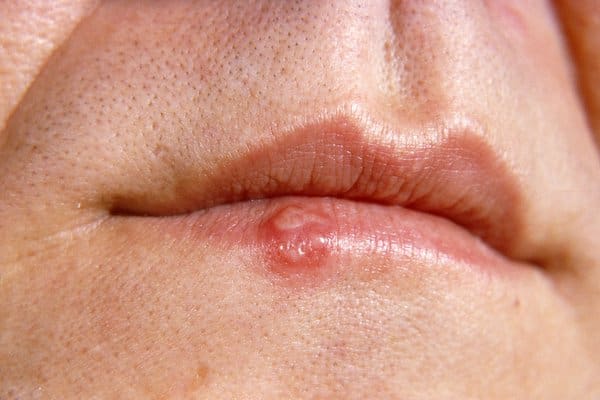
Clinically, acne lesions are commonly described as blackheads, whiteheads, papules, pustules, nodules and cysts. Nodules and cysts sit deeper in the skin and carry a greater risk of scarring. [21]
For homeopathic comparison, the diagnosis is therefore only the first layer. The more useful questions are:
- What is the dominant lesion? Comedone, red papule, pustule, hard nodule or cyst-like lump?
- What does the skin around it look like? Greasy, coarse-pored, red, sallow, dry or easily scarred?
- Where does it prefer to appear? Forehead, cheeks, chin, around the mouth, hairline, chest, shoulders or back?
- When does it flare? Before menses, during puberty, after heat, after rich food, during stress, or after particular products?
- What happens when a spot heals? Does it disappear cleanly, leave red-brown marks, pit, scar, or refill with pus?
- Is acne part of a wider pattern? IBS, constipation, food sensitivity, catarrh, poor assimilation, hormonal changes or recurrent suppuration?
This article is built around those distinctions rather than around a generic “top 10 acne remedies” list.
Interactive Acne Pattern Finder
If several remedy pictures sound similar, use the interactive finder below. Unlike a simple yes/no chart, it begins with the type of acne you actually see — deep/cystic, pustular, comedonal/oily, hormonal, or strongly gut-linked — and then narrows the comparison.
Use it to decide what to read next, not as an automatic prescription. A person can sit across more than one branch, especially when acne is mixed.
When acne is deep, painful or indurated
Deep acne deserves particular attention because nodules and cysts are more likely to scar. [21] In the Materia Medica, the most useful differentiators here are hardness, colour, sensitivity, pus formation, location and what makes the lesions worse or better.
Kalium bromatum – hard, deep and often bluish-red
Kalium bromatum has one of the strongest deep-acne pictures in the IQ Materia Medica. The lesions may be tender, bluish-red and indurated rather than simply superficial whiteheads. The distribution across the face, chest, back and shoulders makes it especially useful to compare in more extensive acne.
In women, the Materia Medica also describes acne flaring before menses and easing after the flow begins, so it can bridge the “deep acne” and “hormonal timing” groups.
Easy way to remember it: deep, hard acne that dislikes heat.
Explore the full Kalium bromatum Materia Medica →
Hepar sulphuris – painfully sensitive, suppurative acne
Hepar becomes more interesting when the acne behaves like a small abscess: tender, pus-forming and disproportionately painful to touch. The skin may seem to suppurate from very little provocation.
This is not merely “red acne”. The combination of pus + extreme tenderness + cold sensitivity is what gives the picture its character.
Easy way to remember it: the spot that feels too sore to touch.
Explore the full Hepar sulphuris Materia Medica →
Calcarea sulphurica – pustules that keep refilling
Calcarea sulphurica sits between pustular and deeper suppurative acne. A useful clue is the unfinished quality of healing: a spot drains or seems to improve, then fills again or continues to ooze yellow, creamy material.
Its Materia Medica specifically notes that picking can aggravate and scar the skin, which makes it particularly relevant when recurring pustules are being repeatedly squeezed.
Easy way to remember it: yellow pus that never quite seems finished.
When blackheads, whiteheads and oiliness dominate
Comedonal acne can look less dramatic than a painful cyst, but the pattern of grease, pore congestion, location and how the skin heals can be highly distinctive.
Lappa arctium – greasy acne that pits and flares with food or menses
Lappa is one of the most acne-centred remedies in the Materia Medica. The face can look oily and “unclean” despite washing, with a mixture of papules and pustules. The tendency for picking to leave pits is worth noticing when someone is already worried about texture or scarring.
Food and hormonal timing reinforce the picture: greasy/fried foods and sweets can aggravate, and acne may worsen around menses.
Easy way to remember it: greasy acne with a food-and-period story.
Explore the full Lappa arctium Materia Medica →
Sulphur iodatum – comedones, greasy skin and slow-healing pustules
Sulphur iodatum is especially useful when several common acne features arrive together: clogged pores, oiliness, pustules and marks that linger after the active lesion has settled.
It is less about one spectacular keynote and more about a coherent greasy–comedonal–pustular pattern that becomes worse with warmth and rich food.
Easy way to remember it: oily clogged skin whose spots heal slowly.
Explore the full Sulphur iodatum Materia Medica →
Sulphur – greasy shine, coarse pores, comedones and heat
Sulphur is worth comparing when the skin looks both oily and reactive. The Materia Medica describes greasy shine, comedones and coarse pores, sometimes with a more red or rosacea-like tendency.
If the main complaint is simply “oily skin”, Sulphur is too broad. It becomes more convincing when heat, burning, itching or a generally reactive skin accompany the oiliness.
Explore the full Sulphur Materia Medica →
Thuja occidentalis – shiny, open-pored, papular or indurated acne
Thuja is not primarily an “acne remedy”. It becomes more useful when acne belongs to a recognisable greasy, open-pored, sycotic skin terrain, particularly if warts or other overgrowth-type skin features are present elsewhere.
When acne follows puberty, periods or hormonal shifts
Hormonal changes are a recognised acne trigger, particularly during puberty and around menstrual or pregnancy-related changes. [21] But “jawline acne = hormones” is too simplistic. Timing is usually more informative than location alone.
Pulsatilla nigricans – acne around puberty or menses
Pulsatilla belongs naturally in this section because the Materia Medica repeatedly links it with puberty, menstrual timing and rich-food aggravation. The acne picture is usually more convincing when the wider hormonal state is equally changeable.
Easy way to remember it: changeable acne with a hormonal clock.
Explore the full Pulsatilla Materia Medica →
Sepia officinalis – pimples around the mouth before menses
Sepia becomes relevant when acne is clearly one part of a wider hormonal picture rather than an isolated skin problem. The facial clue in the Materia Medica is pimples around the mouth, especially before menses.
Explore the full Sepia Materia Medica →
Saccharum album – PMS, sugar cravings and greasy T-zone acne
Saccharum album is most useful when the acne story is unusually tied to sugar behaviour: cravings, irregular meals, sweets/refined starch and a reproducible skin flare. In some women this overlaps with PMS.
This is a good example of why we should not assume that every food-acne link is a nosode picture; sometimes the dietary modality belongs directly to the remedy.
Explore the full Saccharum album Materia Medica →
When the spots are hot, pustular or strongly food-sensitive
Azadirachta – pustules that flare in heat and sun
Azadirachta has a very physical temperature story. The acne or pustular eruption becomes angrier in heat, whereas cool bathing or cool air can be noticeably soothing.
That makes it easier to separate from pustular remedies whose main keynote is pus quality, tenderness or digestive excess rather than temperature.
Explore the full Azadirachta Materia Medica →
Antimonium crudum – pustular acne with overeating and a heavy digestive picture
Antimonium crudum is particularly useful when acne looks like an extension of a larger digestive burden. The pustules occur in someone whose stomach symptoms, overeating or intolerance of rich food are difficult to ignore.
Easy way to remember it: pustular acne on top of an overloaded stomach.
When acne is part of a wider gut–skin or nosode picture
This group should not be selected simply because someone ate something before a breakout. The useful clue is a repeated wider terrain: bowel disturbance, poor assimilation, recurrent infections/antibiotics, catarrh, a strongly oily constitution, or acne that repeatedly travels with other systems.
Morgan Bach – adult cystic or truncal acne with IBS and diet
Morgan Bach has one of the strongest acne pictures among the bowel nosodes in the IQ Materia Medica. Adult acne may be pustular, cystic and truncal, and it often appears alongside IBS, liver/bowel sluggishness, heat aggravation and food triggers such as rich or fatty foods. [13]
Medorrhinum – oily, comedonal acne in an excitable sycotic picture
Medorrhinum describes greasy, sallow skin, an oily T-zone and comedones, with acne in more excitable constitutions. Warmth of bed and damp weather can aggravate the wider picture. [14]
Sycotic Co. – oily, enlarged pores with a catarrhal/dysbiotic background
Sycotic Co. is less about spectacular cysts and more about a sallow, oily complexion with enlarged pores and a tendency to acne or small papular/pustular eruptions, especially where catarrh, allergy or dysbiosis colours the wider case. [15]
Gaertner – acne in the undernourished, gut-disturbed adolescent
Gaertner becomes more interesting when acne occurs in a pale, nutritionally fragile adolescent with poor assimilation, bowel disturbance, recurrent infection or a history of repeated antibiotic courses. [16]
Other acne remedy pictures worth comparing
These are not “lesser” remedies. They are simply narrower in this particular acne guide, or they need another part of the case to make them convincing.
- Berberis aquifolium – acne vulgaris in younger people with a sallow complexion, rough/dry facial skin and sluggish digestion. [17]
- Natrum muriaticum – greasy forehead/nose or hairline acne in skin that can paradoxically alternate between oiliness and dryness; the Materia Medica also notes slow healing and easy scarring. [18]
- Silicea – persistent teenage acne in a generally slow-healing, abscess-prone picture; useful to compare when pus formation and poor tissue healing are central. [19]
- Bacillinum – acne on thin, oily skin in wiry adolescents, especially where a broader tubercular/chest or ringworm tendency is present. [20]
Acne marks and scars: prevention matters while the acne is active
Not every red or brown mark after a spot is a permanent scar, but deeper nodules and cysts carry a higher scarring risk. Picking, popping and squeezing also increase the chance of scars and post-inflammatory dark marks. [21] [23]
That changes the priority. If someone has recurring deep lesions, the goal should not be to spend months experimenting while new scars accumulate. Moderate or severe acne, nodules, cysts or developing scars deserve appropriate medical treatment alongside any complementary approach. [21] [26]
From the homeopathic pictures above, Lappa arctium, Calcarea sulphurica, Natrum muriaticum and Silicea all contain useful healing/scarring clues — but an established structural scar is a different problem from treating the active acne tendency.
A simpler acne skin-care routine is usually better than an aggressive one
Acne-prone skin is easy to over-treat. Scrubbing, washing repeatedly, changing products every few days and squeezing spots can all irritate the skin rather than “cleaning the acne out”. Dermatology guidance recommends gentle cleansing up to twice daily and after sweating, avoiding abrasive scrubbing, and keeping hands off active spots. [23]
A practical baseline
- Wash gently, usually no more than twice daily, using lukewarm water and a mild cleanser. [21] [23]
- Choose products labelled non-comedogenic, non-acnegenic, oil-free or won’t clog pores. [21] [23]
- Do not squeeze blackheads, pustules, nodules or cysts. Picking can deepen inflammation and increase scarring. [21] [23]
- If treatments dry the skin, an acne-friendly non-comedogenic moisturiser can still be useful rather than trying to keep the face permanently “degreased”.
- Give a sensible routine time to work instead of changing several products every week.
Does diet really affect acne?
The diet question is more nuanced than “chocolate causes spots”. A systematic review found that high glycaemic index/load and high carbohydrate intake have a modest but significant association with acne, while the evidence around dairy is more mixed and appears to vary between populations. [24]
Start with glycaemic load before banning half your diet
AAD reviews of the research suggest that a lower-glycaemic eating pattern may reduce acne in some people, although not every study finds the same effect. [25]
Practically, that means it can be more useful to look at repeated patterns involving sugary drinks, sweets, highly refined carbohydrates and large blood-sugar swings than to blame one food after one breakout.
What about milk?
Some observational studies link cow’s milk — particularly in certain populations — with more acne, but the relationship is not strong enough to declare that everyone with acne should remove dairy. The AAD notes that evidence has not shown the same association for yoghurt or cheese. [25]
If you suspect a food relationship, change one meaningful variable at a time and track the result. Otherwise you can remove milk, gluten, sugar, eggs and chocolate simultaneously, improve for unrelated reasons, and learn almost nothing about which change mattered.
Zinc and tea tree oil: two natural options with actual acne research
Zinc
Zinc has been studied both orally and topically. A systematic review and meta-analysis found that people with acne had lower serum zinc levels on average and that zinc treatment showed evidence of benefit, particularly for inflammatory papules, although the evidence is not definitive enough to treat zinc as a universal acne solution. [27]
Supplement dose matters. More is not automatically better, and zinc can cause gastrointestinal side effects or interfere with other nutrients and medicines when used inappropriately. If you are considering ongoing supplementation, it makes sense to look at the actual dose and your wider diet rather than buying the strongest product available.
Tea tree oil
A 2026 systematic review and meta-analysis of seven studies involving 445 patients found a modest reduction in acne severity with tea tree oil, with reported adverse effects mainly local and mild. The authors still called for larger, better-standardised trials and longer follow-up. [28]
That does not mean applying neat essential oil directly to the face. If tea tree oil is used, choose a properly formulated topical product rather than treating concentrated essential oil as if it were a harmless spot pen.
When acne should move beyond self-help
See a GP or appropriate skin professional if acne is moderate or severe, if you are developing nodules or cysts, or if scarring is appearing. NHS guidance specifically highlights these patterns because they need proper treatment to reduce the risk of permanent scars. [21]
Acne also deserves attention when it is affecting confidence, mood or daily life. NICE recognises the mental-health and wellbeing impact of acne as part of acne management, not as a superficial side issue. [26]
In adult women, sudden-onset acne together with irregular/light periods or excess facial/body hair is another reason to investigate rather than simply adding more skin products, because it can indicate a hormonal imbalance. [22]
Quick FAQ
What is the best homeopathic remedy for acne?
There is no single best remedy for every acne case. Kalium bromatum has a strong deep/indurated acne picture, Lappa arctium is useful to compare for greasy papulo-pustular acne, Sulphur iodatum for greasy comedonal/pustular acne, and Calcarea sulphurica for recurrent yellow-creamy pustules. The lesion type and wider pattern are more useful than the word “acne” alone. [1] [2] [3] [4]
Which homeopathic remedies are worth comparing for cystic or deep acne?
For deep or nodular acne, Kalium bromatum is particularly distinctive for indurated bluish-red or tuberous lesions on the face, chest, back and shoulders. [1] Hepar sulphuris becomes more relevant when the spots are deeply suppurative and extremely tender to touch or cold. [5] Morgan Bach deserves consideration when adult cystic or truncal acne is tied to IBS, rich food and a strong bowel–skin pattern. [13]
Which remedies should I compare for hormonal acne?
Pulsatilla is strongly linked in the Materia Medica with acne around puberty or menses, especially with rich-food aggravation. [6] Sepia has pimples or eruptions around the mouth, particularly before menses, within a wider hormonal-transition picture. [7] Kalium bromatum can also flare before menses, while Lappa arctium and Sulphur iodatum contain clear premenstrual acne features. [1] [2] [3]
Does dairy cause acne?
Not automatically. Some studies associate cow’s milk with more acne in certain populations, but the overall relationship is mixed. The AAD notes that the same evidence has not been shown for yoghurt or cheese. [25] If milk genuinely appears to affect you, track the pattern rather than assuming everyone with acne needs to avoid dairy.
Can zinc help acne?
A systematic review and meta-analysis found evidence that zinc may help inflammatory acne, while also noting that the evidence is not definitive. [27] Zinc is not something to take in unlimited doses; the amount, duration and your wider diet matter.
Can tea tree oil help acne?
A 2026 systematic review and meta-analysis found a modest reduction in acne severity with tea tree oil and mainly mild local adverse effects, although larger and more standardised trials are still needed. [28] Use a formulated topical product rather than applying neat essential oil directly to the skin.
When should I see a doctor about acne?
Seek appropriate medical help if acne is moderate or severe, if you develop deep nodules or cysts, if scarring is appearing, or if acne is having a significant effect on your wellbeing. [21] [26] Sudden adult-onset acne in a woman together with irregular periods or excess facial/body hair should also be assessed for a possible hormonal imbalance. [22]
References
Inline citation numbers link to Harvard-style references below. Homeopathic remedy information in this article is sourced exclusively from the IQ Homeopathy Materia Medica.
- Qandil, I. (n.d.) ‘Kalium bromatum’, IQ Homeopathy. Available at: https://www.iqhomeopathy.com/materia-medica/kalium-bromatum/ (Accessed: 23 August 2026).
- Qandil, I. (n.d.) ‘Lappa arctium’, IQ Homeopathy. Available at: https://www.iqhomeopathy.com/materia-medica/lappa-arctium/ (Accessed: 23 August 2026).
- Qandil, I. (n.d.) ‘Sulphur iodatum’, IQ Homeopathy. Available at: https://www.iqhomeopathy.com/materia-medica/sulphur-iodatum/ (Accessed: 23 August 2026).
- Qandil, I. (n.d.) ‘Calcarea sulphurica’, IQ Homeopathy. Available at: https://www.iqhomeopathy.com/materia-medica/calcarea-sulphurica/ (Accessed: 23 August 2026).
- Qandil, I. (n.d.) ‘Hepar sulphuris’, IQ Homeopathy. Available at: https://www.iqhomeopathy.com/materia-medica/hepar-sulphuris/ (Accessed: 23 August 2026).
- Qandil, I. (n.d.) ‘Pulsatilla nigricans’, IQ Homeopathy. Available at: https://www.iqhomeopathy.com/materia-medica/pulsatilla-nigricans/ (Accessed: 23 August 2026).
- Qandil, I. (n.d.) ‘Sepia officinalis’, IQ Homeopathy. Available at: https://www.iqhomeopathy.com/materia-medica/sepia-officinalis/ (Accessed: 23 August 2026).
- Qandil, I. (n.d.) ‘Sulphur’, IQ Homeopathy. Available at: https://www.iqhomeopathy.com/materia-medica/sulphur/ (Accessed: 23 August 2026).
- Qandil, I. (n.d.) ‘Thuja occidentalis’, IQ Homeopathy. Available at: https://www.iqhomeopathy.com/materia-medica/thuja-occidentalis/ (Accessed: 23 August 2026).
- Qandil, I. (n.d.) ‘Saccharum album’, IQ Homeopathy. Available at: https://www.iqhomeopathy.com/materia-medica/saccharum-album/ (Accessed: 23 August 2026).
- Qandil, I. (n.d.) ‘Azadirachta’, IQ Homeopathy. Available at: https://www.iqhomeopathy.com/materia-medica/azadirachta/ (Accessed: 23 August 2026).
- Qandil, I. (n.d.) ‘Antimonium crudum’, IQ Homeopathy. Available at: https://www.iqhomeopathy.com/materia-medica/antimonium-crudum/ (Accessed: 23 August 2026).
- Qandil, I. (n.d.) ‘Morgan Bach’, IQ Homeopathy. Available at: https://www.iqhomeopathy.com/materia-medica/morgan-bach/ (Accessed: 23 August 2026).
- Qandil, I. (n.d.) ‘Medorrhinum’, IQ Homeopathy. Available at: https://www.iqhomeopathy.com/materia-medica/medorrhinum/ (Accessed: 23 August 2026).
- Qandil, I. (n.d.) ‘Sycotic Co.’, IQ Homeopathy. Available at: https://www.iqhomeopathy.com/materia-medica/sycotic-co/ (Accessed: 23 August 2026).
- Qandil, I. (n.d.) ‘Gaertner’, IQ Homeopathy. Available at: https://www.iqhomeopathy.com/materia-medica/gaertner/ (Accessed: 23 August 2026).
- Qandil, I. (n.d.) ‘Berberis aquifolium’, IQ Homeopathy. Available at: https://www.iqhomeopathy.com/materia-medica/berberis-aquifolium/ (Accessed: 23 August 2026).
- Qandil, I. (n.d.) ‘Natrum muriaticum’, IQ Homeopathy. Available at: https://www.iqhomeopathy.com/materia-medica/natrum-muriaticum/ (Accessed: 23 August 2026).
- Qandil, I. (n.d.) ‘Silicea’, IQ Homeopathy. Available at: https://www.iqhomeopathy.com/materia-medica/silicea/ (Accessed: 23 August 2026).
- Qandil, I. (n.d.) ‘Bacillinum’, IQ Homeopathy. Available at: https://www.iqhomeopathy.com/materia-medica/bacillinum/ (Accessed: 23 August 2026).
- NHS (2023) ‘Acne’, NHS. Page last reviewed 3 January 2023. Available at: https://www.nhs.uk/conditions/acne/ (Accessed: 23 August 2026).
- NHS (2023) ‘Diagnosis – Acne’, NHS. Page last reviewed 3 January 2023. Available at: https://www.nhs.uk/conditions/acne/diagnosis/ (Accessed: 23 August 2026).
- American Academy of Dermatology (2022) ‘Acne: Tips for managing’, American Academy of Dermatology. Last updated 16 November 2022. Available at: https://www.aad.org/public/diseases/acne/skin-care/tips (Accessed: 23 August 2026).
- Meixiong, J., Ricco, C., Vasavda, C. and Ho, B.K. (2022) ‘Diet and acne: A systematic review’, JAAD International, 7, pp. 95–112. doi: 10.1016/j.jdin.2022.02.012.
- American Academy of Dermatology (n.d.) ‘Can the right diet get rid of acne?’, American Academy of Dermatology. Available at: https://www.aad.org/public/diseases/acne/causes/diet (Accessed: 23 August 2026).
- National Institute for Health and Care Excellence (2026) Acne vulgaris: management (NG198). NICE guideline, published 25 June 2021, last updated 30 April 2026. Available at: https://www.nice.org.uk/guidance/ng198 (Accessed: 23 August 2026).
- Yee, B.E., Richards, P., Sui, J.Y. and Marsch, A.F. (2020) ‘Serum zinc levels and efficacy of zinc treatment in acne vulgaris: A systematic review and meta-analysis’, Dermatologic Therapy, 33(6), e14252. doi: 10.1111/dth.14252.
- Ye, Y., Lim, J.J., Huang, Z. and Chew, F.T. (2026) ‘Efficacy and Safety of Melaleuca alternifolia (Tea Tree) Oil for Acne—A Systematic Review and Meta-Analysis’, Phytotherapy Research, 40(7), pp. 4444–4453. doi: 10.1002/ptr.70344.
When the acne picture is more complicated
Acne can become difficult to self-select when deep lesions, scarring, hormones, digestion, stress, medications and skin products all overlap. A consultation allows the remedy picture to be considered alongside those wider patterns rather than choosing from one symptom in isolation.